Over the last year, I’ve been doing research and documenting stories from different firefighters who have all been diagnosed with firefighting-related cancers here in Nova Scotia.
With January being firefighter cancer awareness month, I thought it was important to share some of the work I’ve been doing to bring attention to this important topic, learning it’s impacts and things we can do to be better.
In late July, I made the effort to interview active and former Halifax Regional firefighters along with volunteers here in the valley.
Two of the former HRM members who I met with, served multiple years, fighting fires in the core of Halifax, with roots tied to the valley.
Ultimately, they were forced to retire early after being diagnosed with a form of firefighting-related cancer.
Unfortunately due to time restraints and how busy my summer was, I have not been able to publish a lot of the history I’ve learned along with some key interviews from last year, but I’m working on them!
I’ll be completely honest, this journey through the hallways of hospitals and homes of firefighters, has been an extremely emotional one. It’s been tough to witness, taking a lot out of me personally.
I’ve always handled these situations well, but seeing your fellow peers, people you’ve looked up to and even people you just met, all in positions out of their control is tough to witness.
Being able to share their stories, spread awareness on the topic and push for change has all been well worth it.
Some of the members I had interviewed in late 2025 have since passed away due to firefighting-related cancers. Others I’ve met continue to struggle each day due to the impacts of the disease.
If there is one thing I’ve learned and can definitely share from each one of my interviews, they all agreed on wanting firefighters today to be brought up to speed on the risks, use the tools provided and decontaminate gear and equipment..
Many firefighters who have been diagnosed didn’t know about the cancers related to firefighting. The research and training wasn’t there like it is now.
It’s important for our firefighters today, to take advantage of it, so they can keep themselves safe from toxic carcinogens that are a result of these deadly diseases.
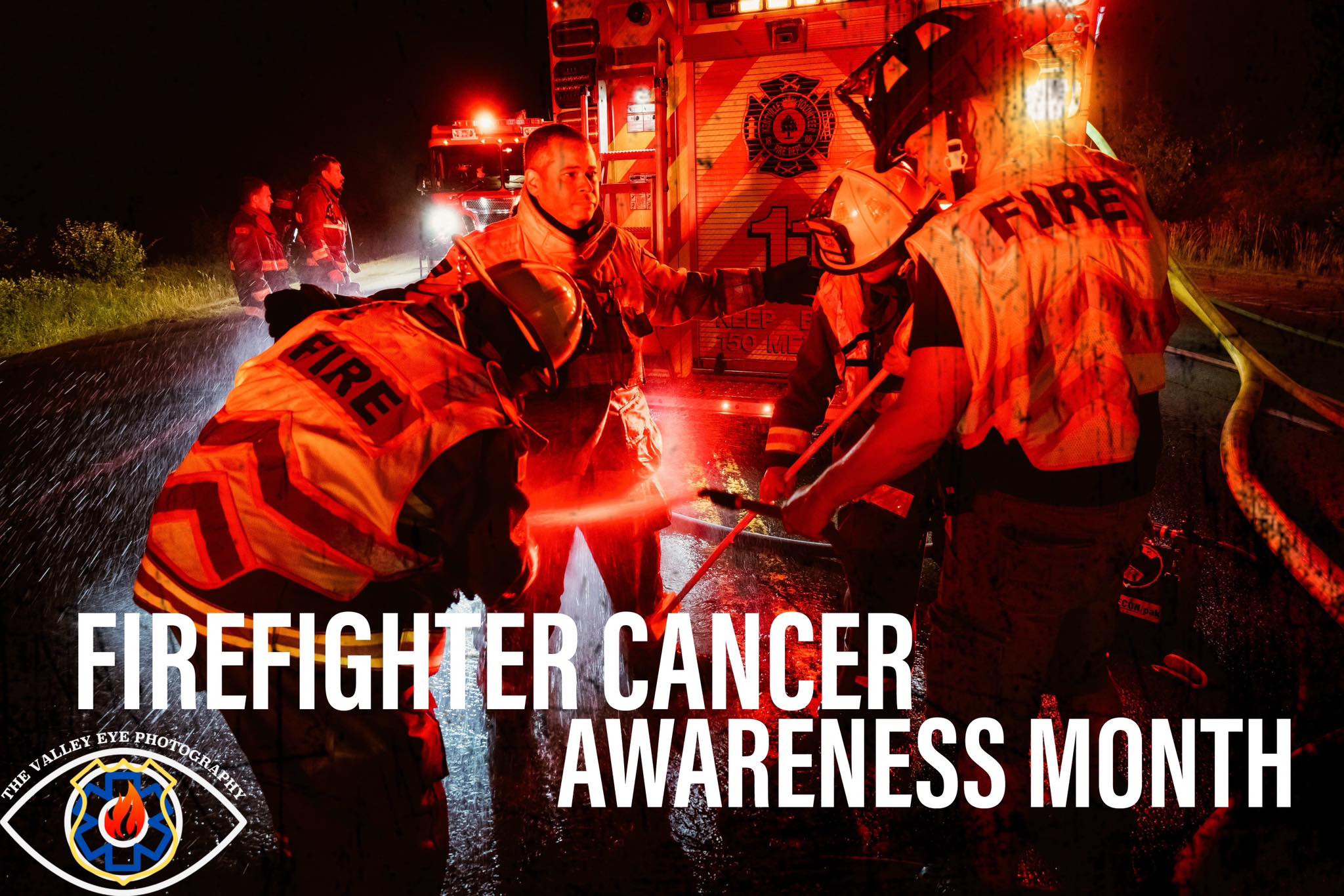
It starts at the department level, ensuring the equipment and tools are available to keep members clean and safe when fighting fires and even after the calls are over.
This is only one step. The next step falls on the individual, the firefighter, who is responsible for using the tools available and ensuring they are being used properly.
By decontaminating yourself, your gear, your trucks and your equipment. You’re not only protecting yourself, but you’re also reducing exposure and the risk to your colleagues, family and the public.
Cancer is real, and it’s killing firefighters all across Nova Scotia, Canada and beyond.
Fire departments need to step up and ensure PPE is available and it’s being cleaned, along with having proper steps in place to protect their members during and after fire calls!
Adrian J.