Every time firefighters don their gear and respond to incidents, they put their lives on the line for our communities.
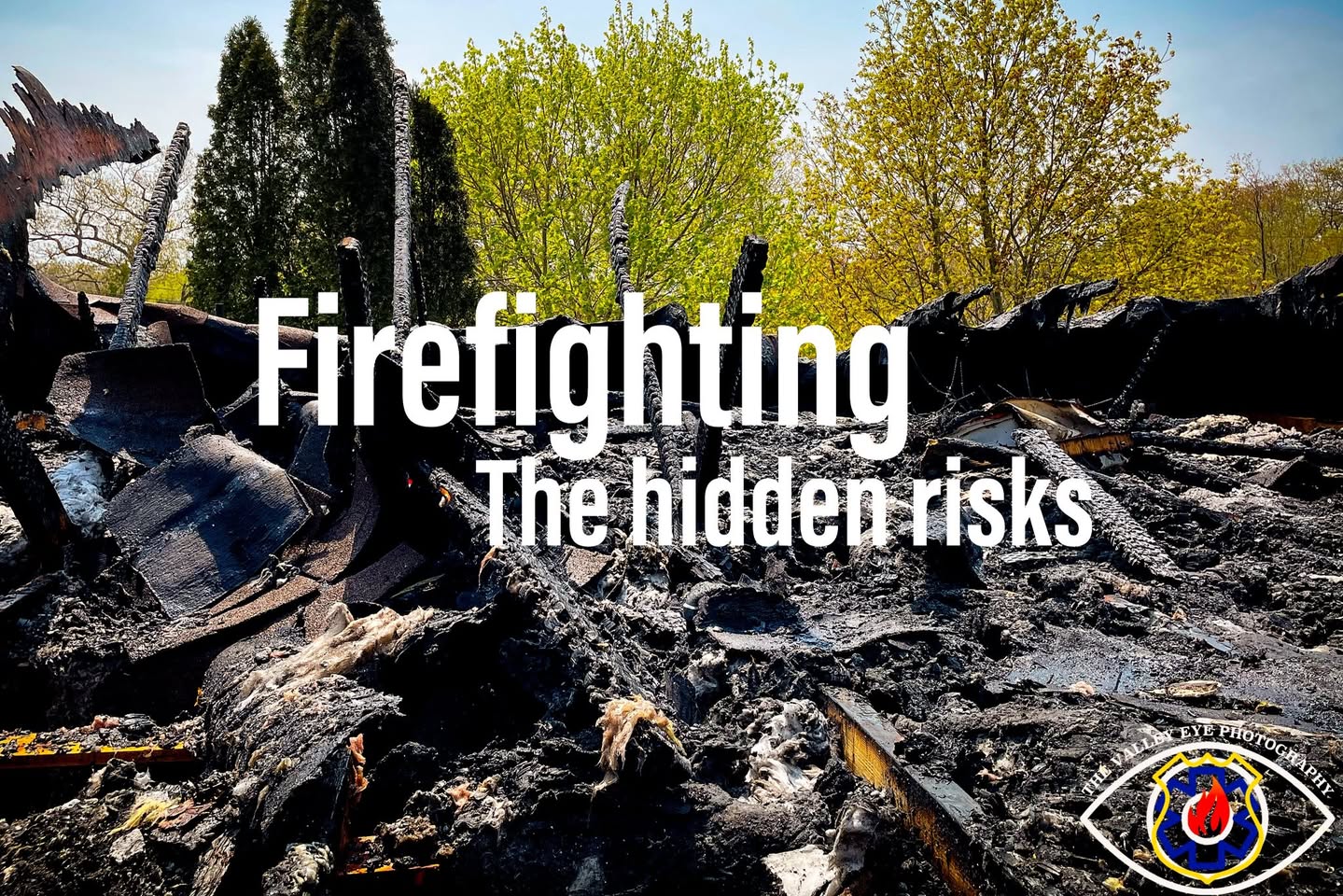
The majority of the public understands the dangers from running into burning buildings, working alongside busy traffic and the severe mental toll from the job, but there are added risks that lurk in the shadows, taking the lives of firefighters each day.
In Canada, occupational cancer is the leading cause of death among career and volunteer firefighters.
According to the Government of Canada, between the years of 2005 and 2016, 86% of occupational fatality claims for Canadian firefighters were linked to cancer.
This doesn’t include firefighters that have died, who never knew cancer was linked to their work.
By performing their duties, firefighters have a 9% higher risk of cancer diagnosis, and a 14% higher risk of dying from cancer than the public.
After countless years of research, professionals have linked many firefighter deaths and diagnosis to repeated exposure to firefighting-related cancers.
Benzene being one of them, is known as a naturally occurring component of crude oil, found in vapours from exhaust and other sources that is linked to cancer among firefighters. Especially with career firefighters, in the late 1900s, staff were constantly exposed to exhaust vapours within their living areas at fire stations.
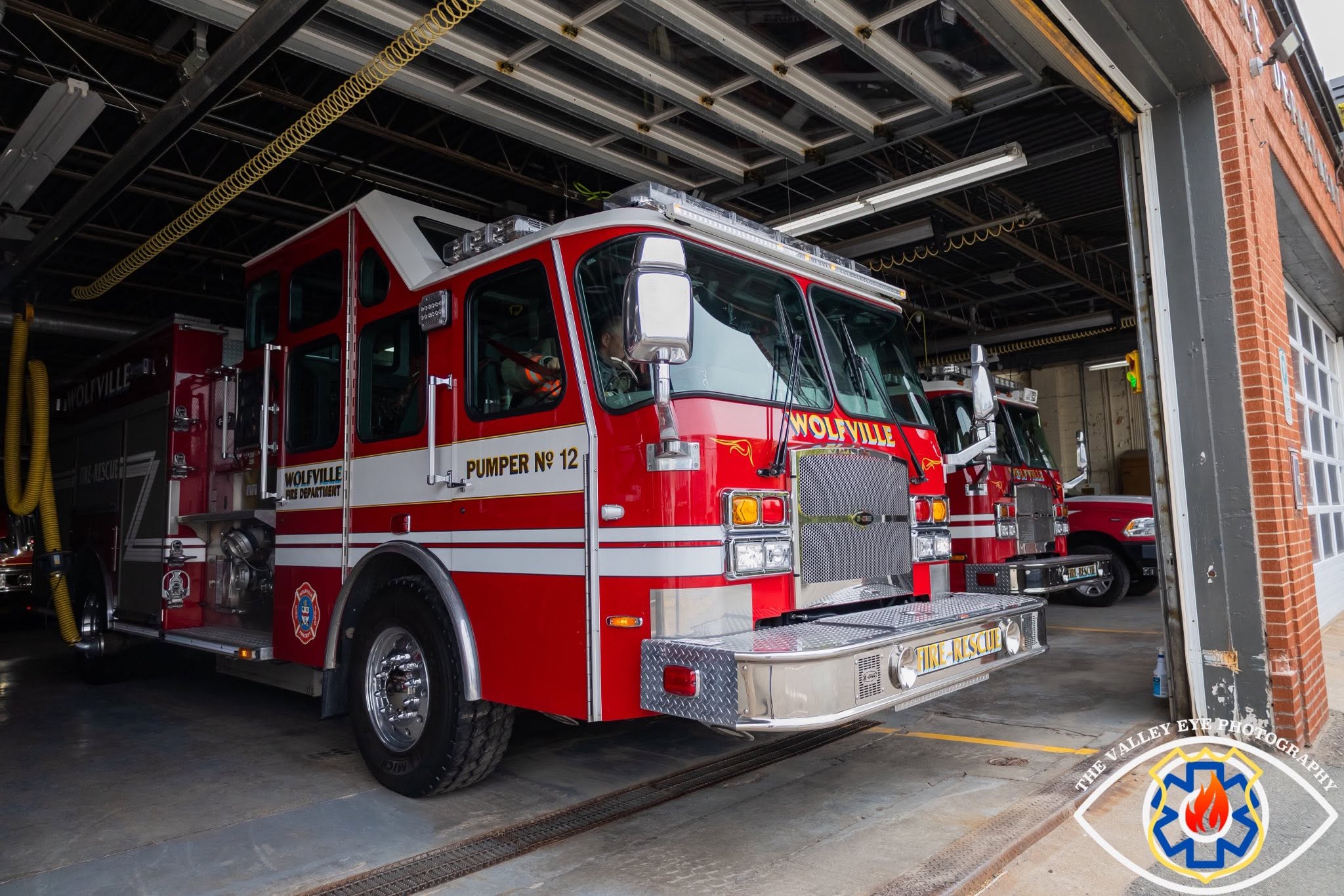
Since then, fire halls across Canada have become more aware of these dangers and have implemented costly upgrades, such as ventilation systems to keep firefighters and the public safe.
But why are firefighters at such a risk when performing their active duties?
It’s primarily when on scene of fires, performing overhaul and maintaining gear, that firefighters are exposed to toxic carcinogens and off-gassing.
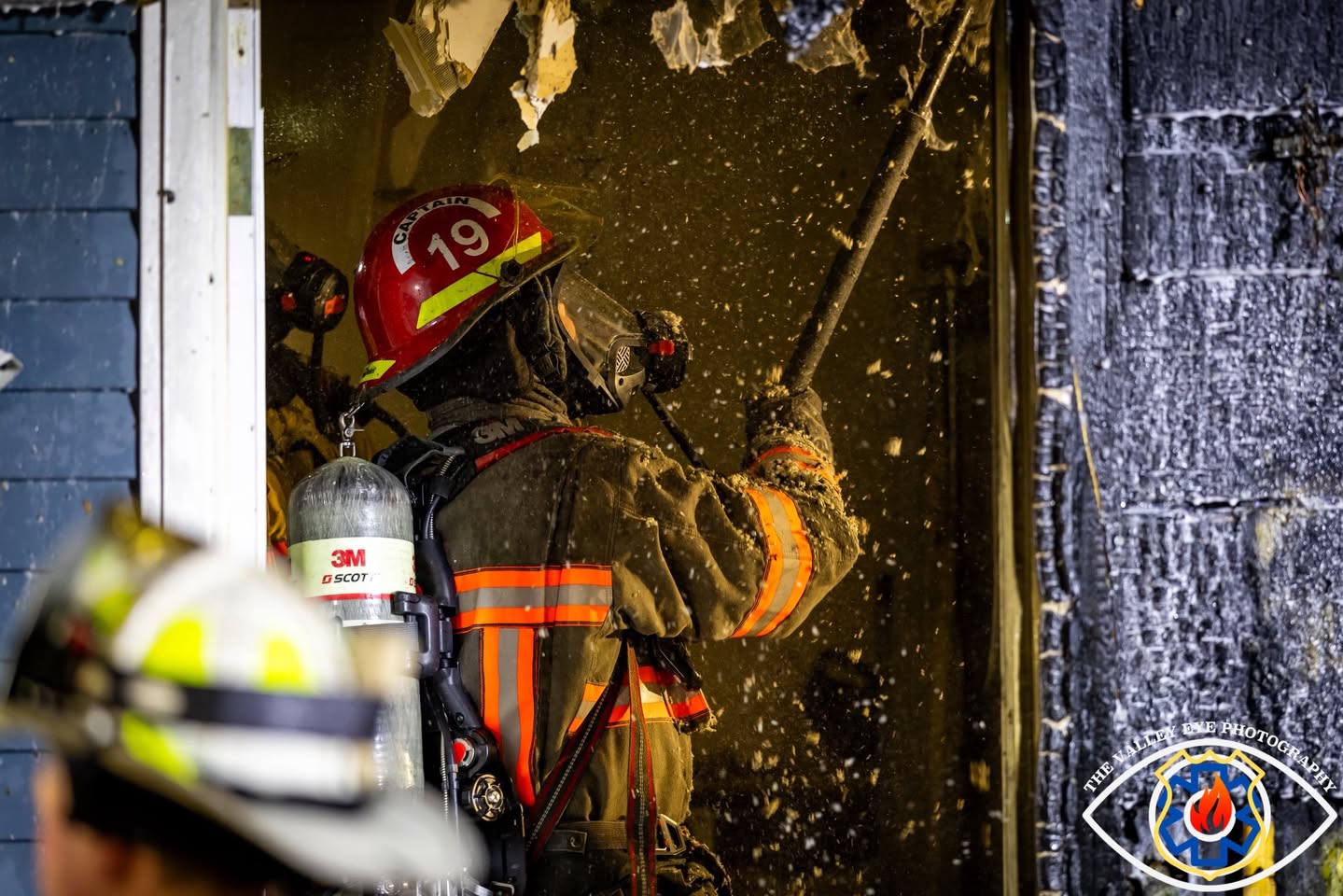
These toxins are found in our living quarters, from the furniture and appliances, to the construction of the homes we live in and much more. When they catch on fire and burn, they give off chemicals that can have lasting effects on those who work to protect us.
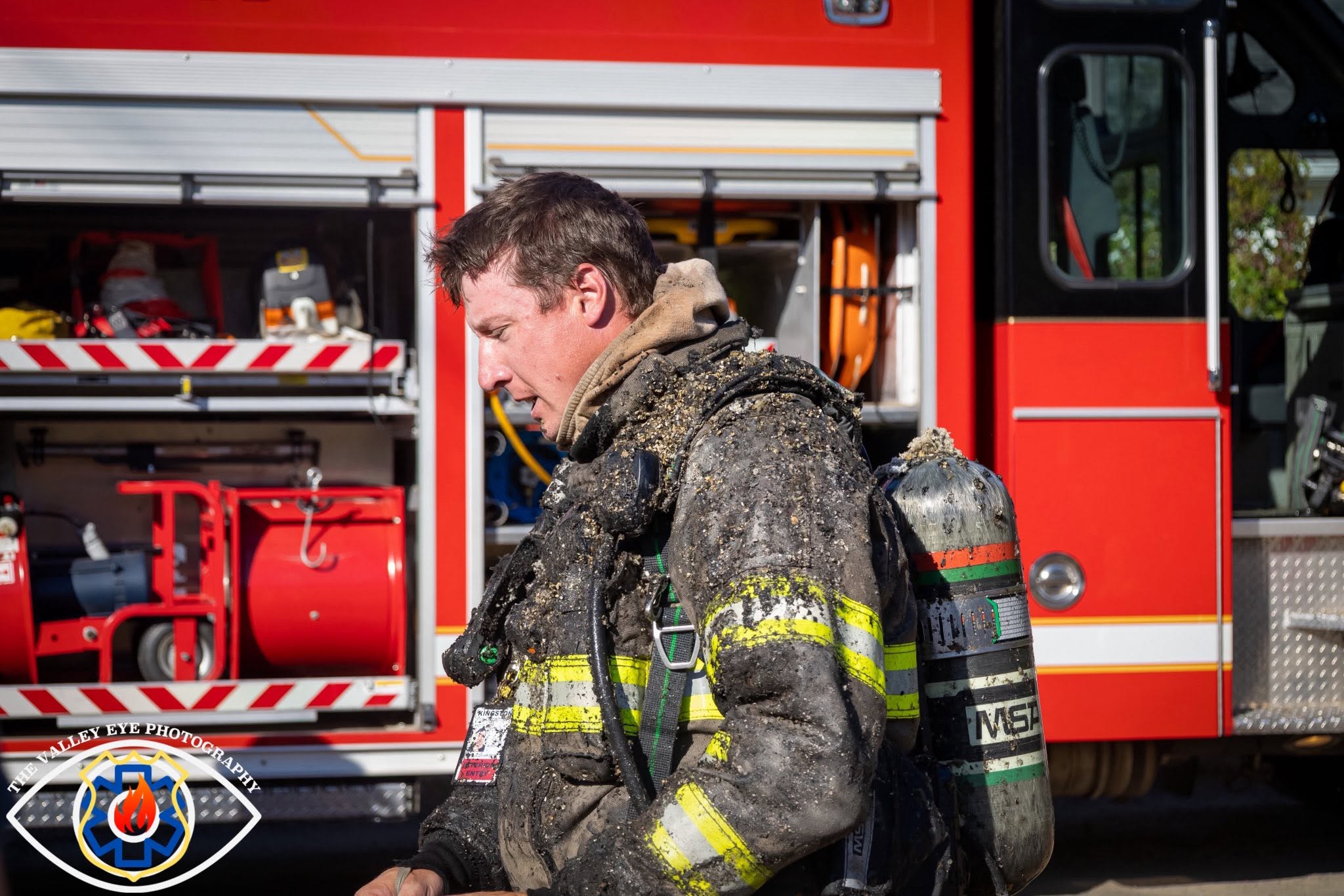
In a short and understandable description, most materials that burn produce smoke, which results in toxic chemicals (carcinogens) being released into the air and on the surface of burned materials. These chemicals are linked to a slew of firefighting-related cancers and end up attaching to your skin and firefighting gear when exposed.
Carcinogens get trapped in turn-out gear (firefighting equipment) requiring deep cleaning and decontamination methods for them to be removed and in some cases they still linger.
Even after the fire is extinguished and the smoke dissipates, the risk is still there. Soot and smoke particles continue to off-gas, becoming extremely harmful.
Firefighters are required to wear their self-contained breathing apparatus (SCBA), allowing them to work in these conditions while protecting them from inhaling such toxins.
Firefighters don’t escape from these risks easily. Their chances of contracting cancer increase constantly. From taking breaks and touching food with soiled hands, wearing their contaminated gear, handling hose-lines and many other tasks during fires, their exposure time grows.
Whether it’s inhaling smoke or the soot being absorbed into the pores of their skin, exposure over time can result in cancers that become much more dangerous than the job itself.
Not everyone gets cancer, each person’s body reacts differently to exposure.
Firefighters who have worked together on dozens of fires and even for the majority of their career, have noticed not everyone in their group has contracted cancer. Even though they’ve followed the same practices together for decades.
Slowly, fire departments are getting better with prevention by implementing safety measures to protect their members from contracting these dangerous diseases.
It wasn’t until the early 1990s that research teams in Toronto started to detect the link between firefighting and cancer. For years, firefighters operated on fire scenes not knowing the connection, putting themselves in harm’s way each time they donned their gear.
Firefighters that got diagnosed, continued to work, fighting to earn a paycheque for their family with no compensation.
In 2002, Manitoba was the first province in Canada to introduce presumptive workers’ compensation coverage for firefighters dealing with cancer.
Nova Scotia passed a very similar measure with presumptive workplace cancer in 2003.
Former Halifax Regional Captain, Gary Harris, along with his wife Anne, from Greenwich, were instrumental in helping pass the Nova Scotia Firefighters Compensation Act through legislation, in May 2003.
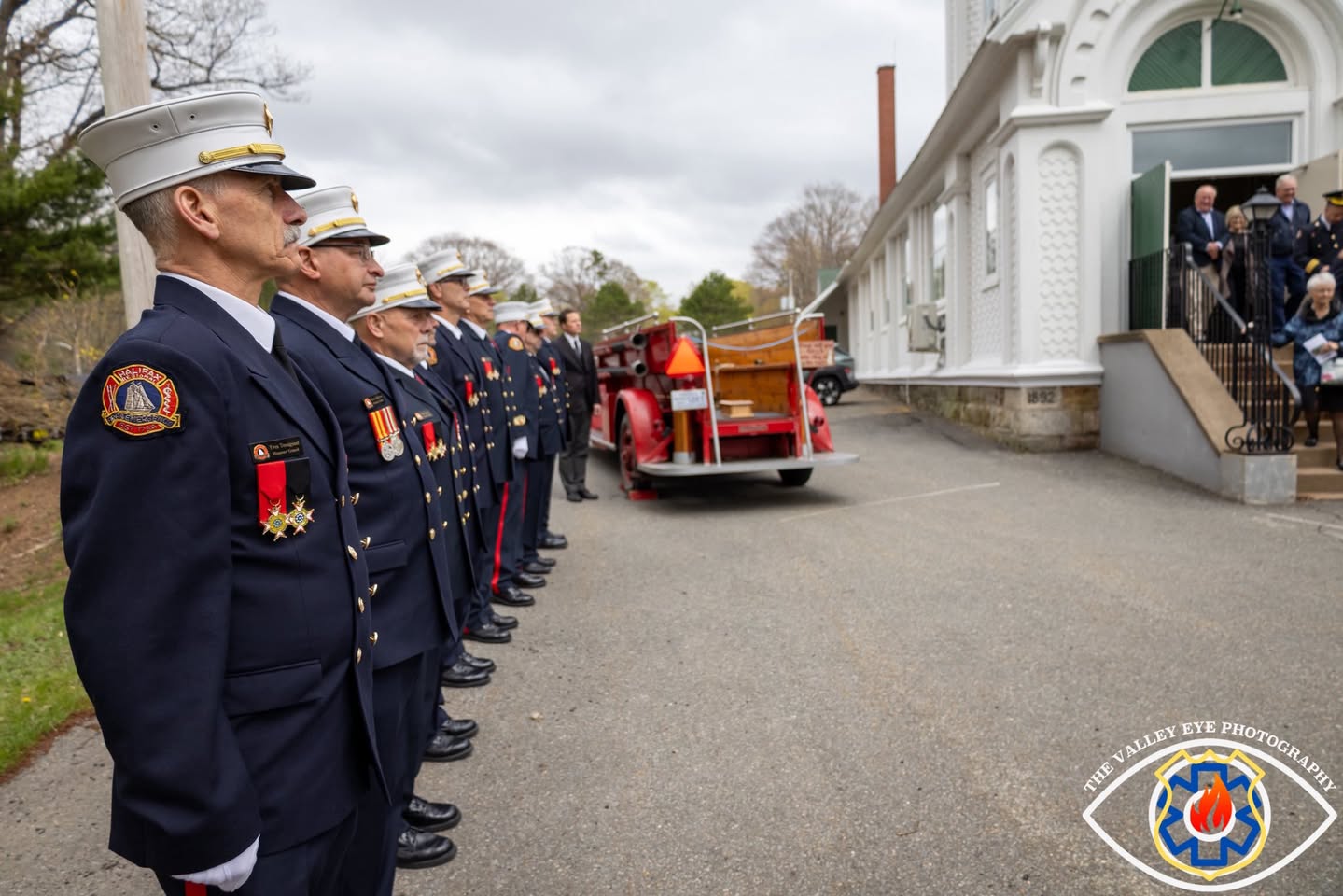
Gary was the face of a firefighter battling cancer on the job and unfortunately passed away this May, following his over-28-year battle with a firefighting-related cancer.
His voice along with his wife, brought awareness surrounding coverage for firefighters and their families and this will never be forgotten. Ultimately Harris helped pave the way forward for more coverage years later.
In 2022, the province of Nova Scotia announced that they were increasing their presumptive cancer coverage to 19 cancers from six, including covering heart attacks that occur 24 hours after a fire call.
Before these measures were in place and available for firefighters, they lost out on their paycheques, whether it was career or volunteer. It impacted their regular jobs and daily living to provide for their families.
The International Agency for Research on Cancer, classified firefighting as a known human carcinogen in June 2022.
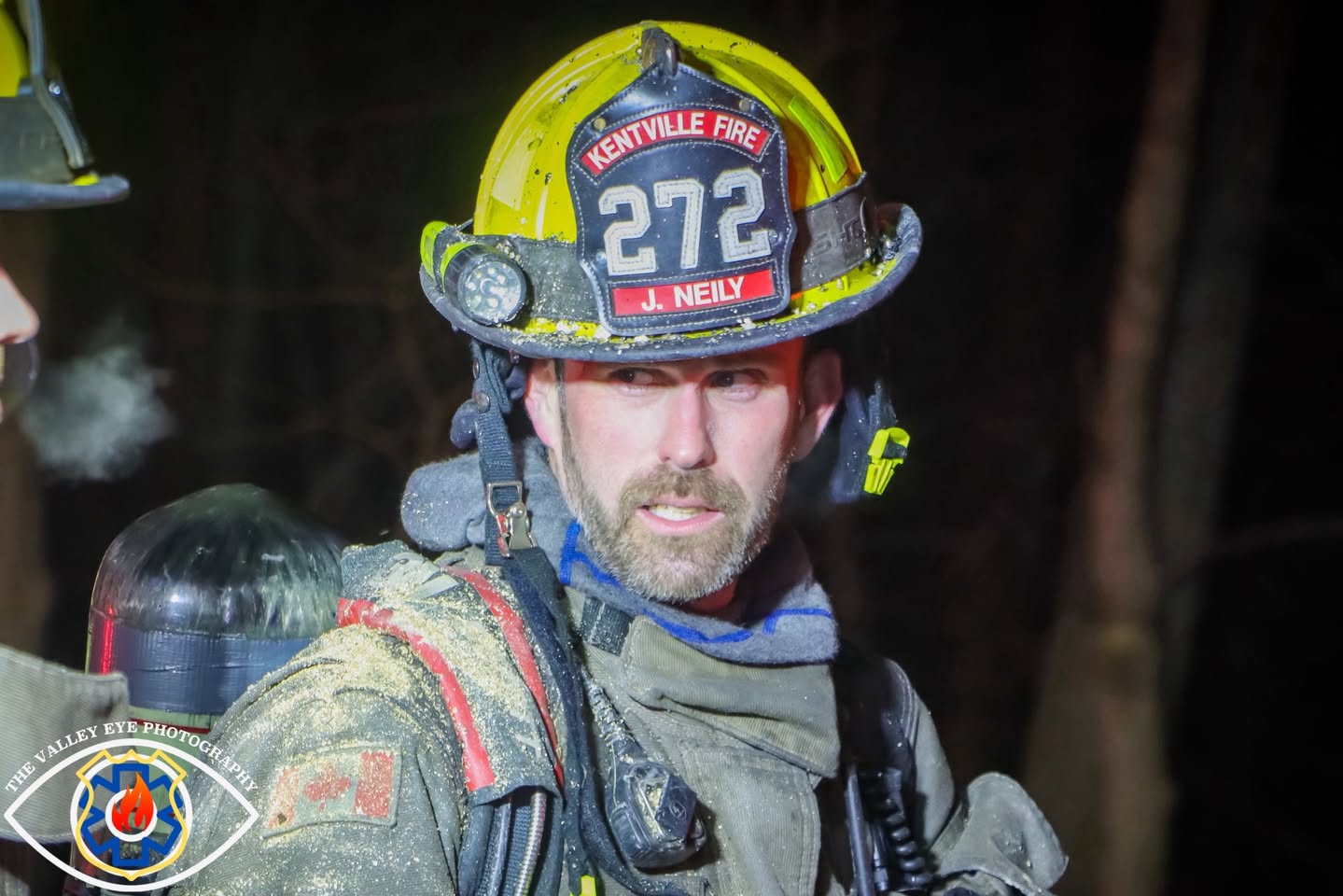
For years, firefighters didn’t know what they were doing could kill them. Like former Kentville Firefighter Engineer 1st Class / Lieutenant, Joel Neily shared, many wanted to have “the badge of honour”, which was a helmet covered in soot to show everyone else how many fires they’ve been in.
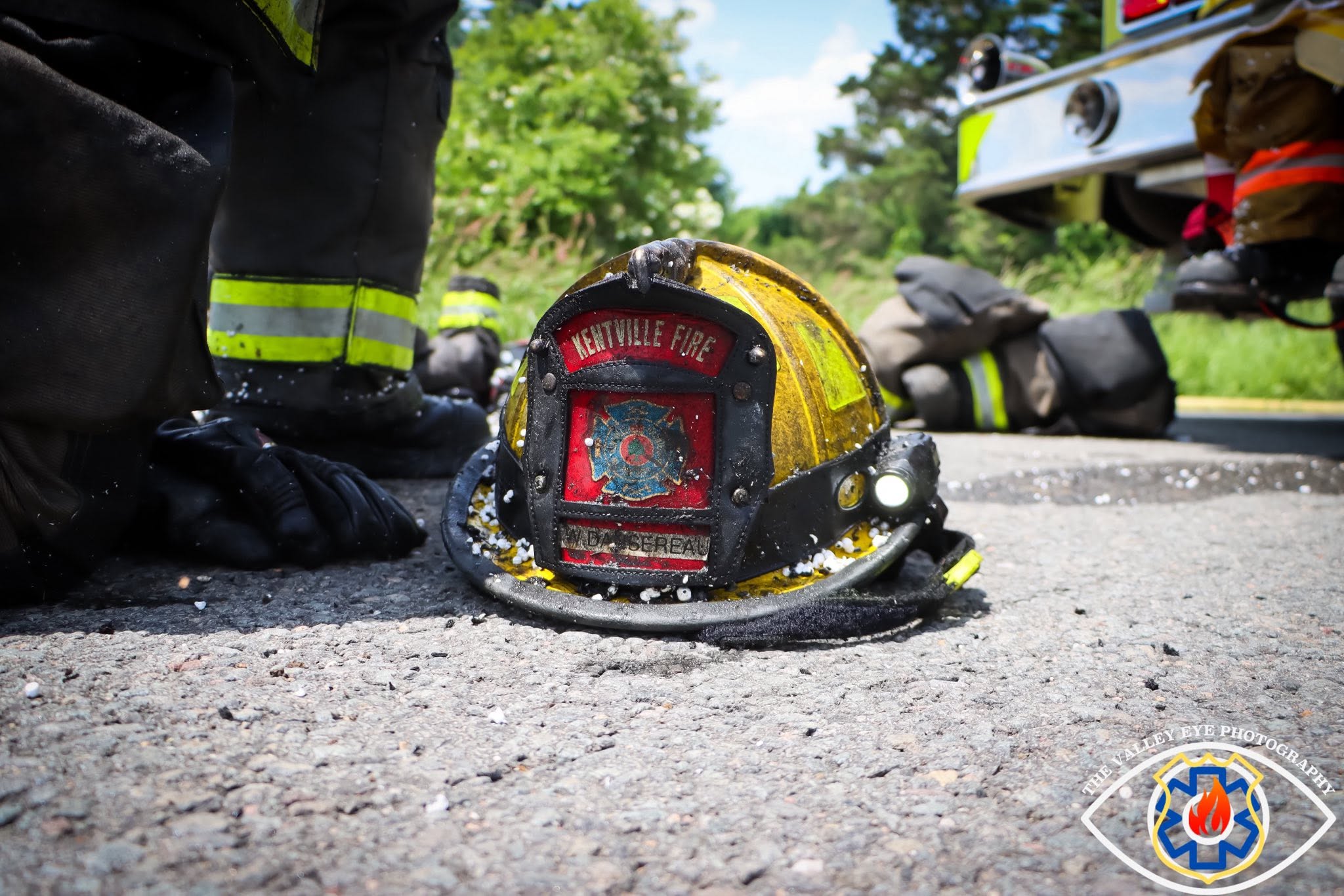
Firefighters didn’t know any better, including Neily, who passed away last month, after courageously battling Non-Hodgkins Lymphoma, a firefighting-related cancer.
What are firefighters doing to prevent exposure?
Fire departments across the board are working to create best practices that support their operations, but this comes at a cost.
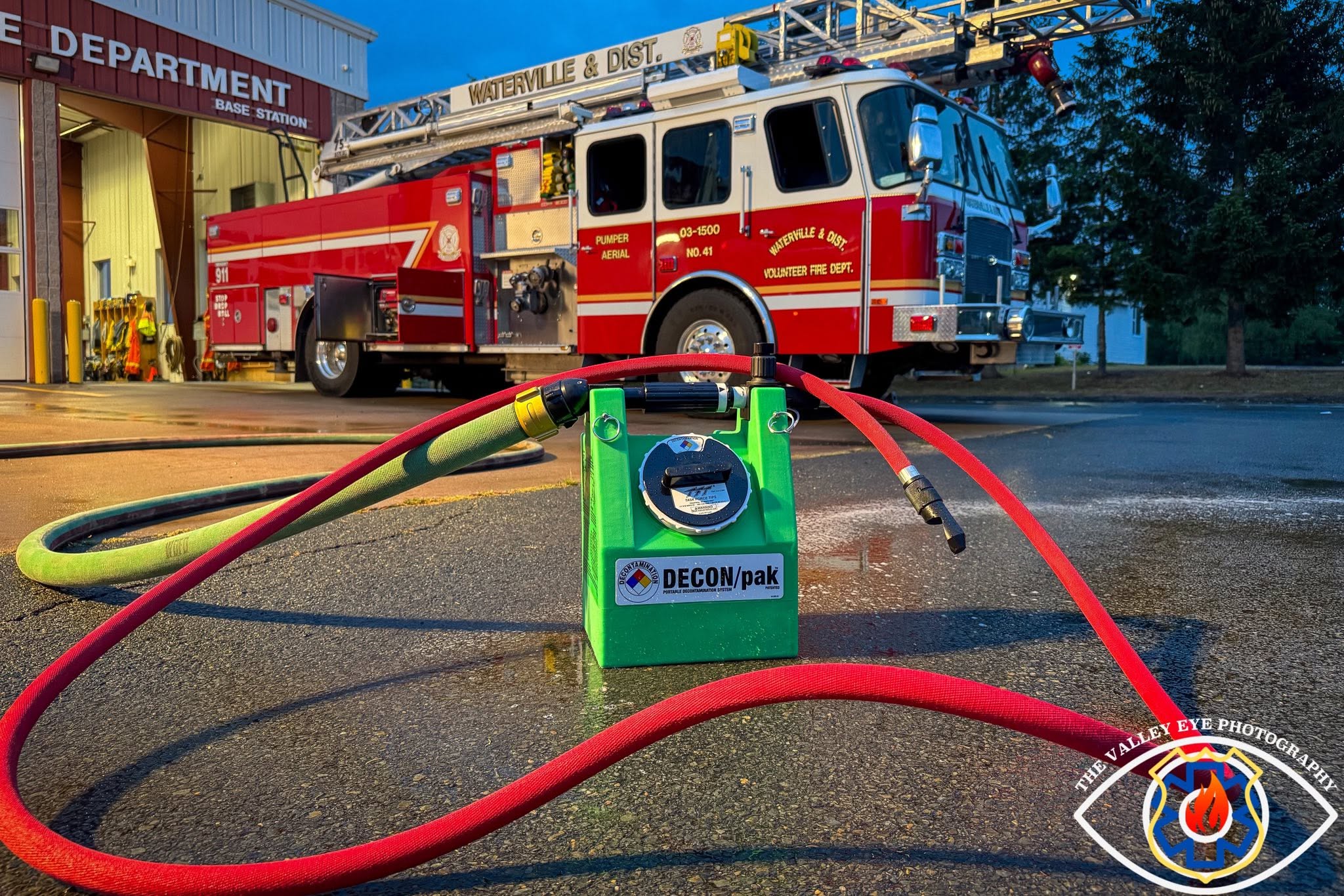
Fire stations have hand wipes available on trucks, to wipe down sensitive areas like their hands, neck and face. They also have decontamination buckets or systems to provide gross decon on scene of an incident, helping to reduce soot and other carcinogens from coming back to the station.
Crews are also getting in the habit of putting their gear in garbage bags after being contaminated, reducing exposure time and ensuring it’s washed following calls.
Some stations also have showers to ensure members can get clean before bringing home any carcinogens to their families, but some don’t have this luxury.
Many smaller stations don’t have the call volume and funds to justify purchasing large commercial washing machines and dryers for bunker gear. This typically has to be sent away for cleaning and results in departments needing spare gear, costing more money.
Regardless, if a fire department has an onsite washing machine, the cost to clean gear and equipment the right way to protect members, requires money from some budget.
According to the Occupational Safety and Health Administration, firefighters must undergo fit testing for Self Contained Breathing Apparatus masks annually. This is to ensure the mask fits around the firefighter’s face tightly, protecting the firefighter from toxic carcinogens. This requirement also comes with a cost each year, but it’s an important step towards protecting members before they get on the fire grounds.
The quote “there is no price on safety” can’t be anymore true but when it comes down to it, municipal capital budgets don’t support the need for additional turnout gear, outside what is already available when needed, on top of yearly gear testing, training budgets and much more.
The bottom line is firefighting isn’t cheap and protecting firefighters from dying as a result of a firefighting-related cancer isn’t either.
Money shouldn’t be the deal breaker for firefighters, as they aren’t the only ones who pay the ultimate sacrifice. Many spouses and loved ones also suffer when the cancer diagnosis is confirmed. Although they aren’t fighting fires or dealing with the effects of their work directly, they stand by their loved ones each and every day, watching them slowly fade away, sticking by their side until the end.
Understanding these hidden risks our career and volunteer firefighters face each and every call, truly puts things into perspective.
Community members sign up for the local fire department, in many cases for free, to risk their lives, some not knowing there’s the potential for long-lasting effects that could impact them and their families forever.
Adrian J.