🧱 🔥🧹 Each year, firefighters across Nova Scotia respond to numerous chimney fires due to improper maintenance.
Most chimney fires are caused by creosote, which is a by-product resulting from the incomplete burning of wood. Creosote builds up on the sides of your chimney as a liquid and later forms into a solid. As it builds up, it not only blocks the flu, but can ignite into a fire.
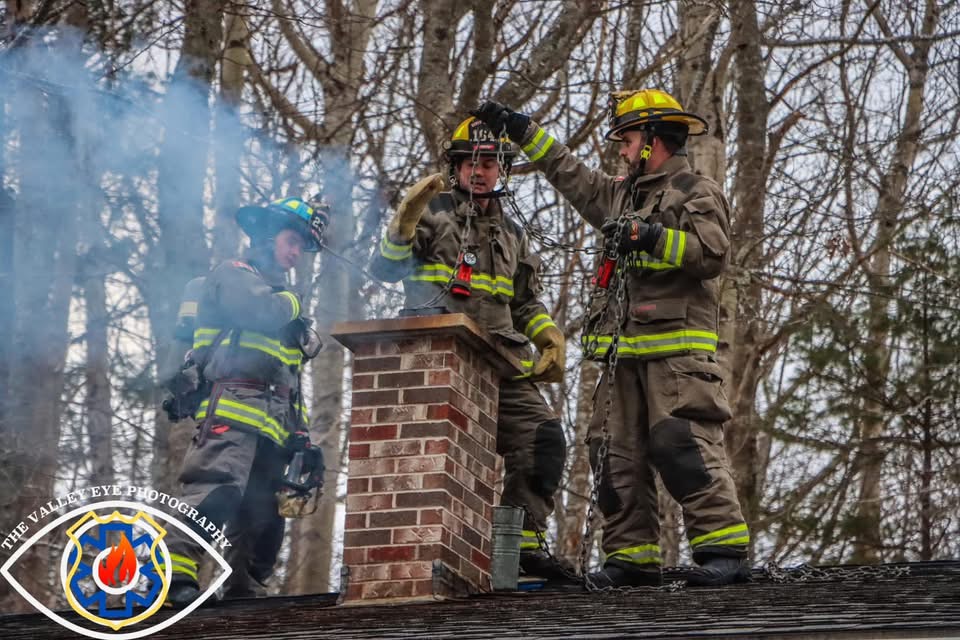
In some cases, bird and hornet nests can also cause blockages in chimneys, resulting in fires and smoke backing up into the home.
Many fires related to chimneys go unattended and most homeowners don’t even know that they’ve happened.
Slow-burning chimney fires don’t receive enough air or have the fuel to be dramatic or visible.
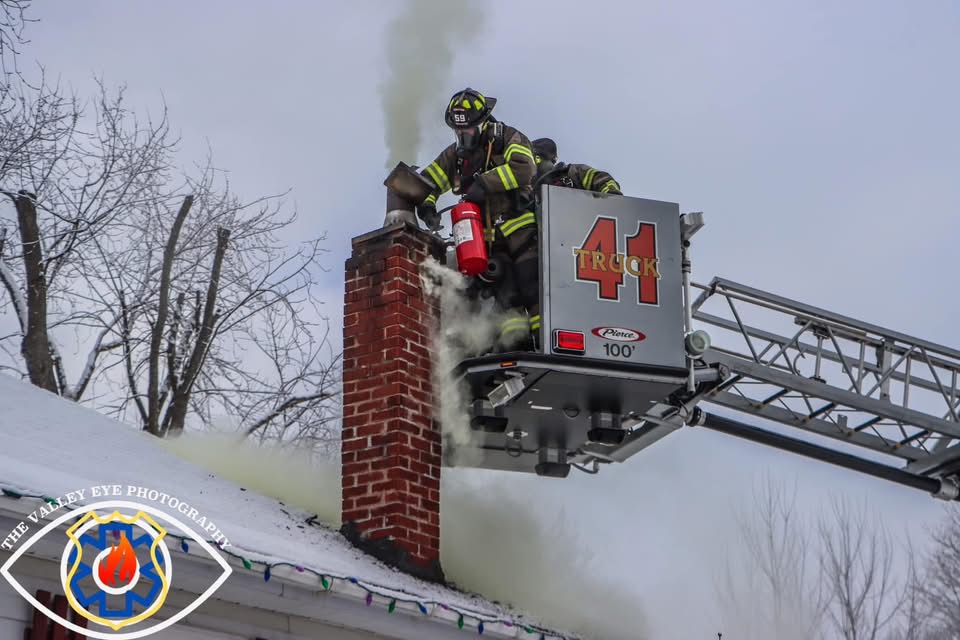
These fires often go undetected until a later chimney inspection, but, the temperatures they reach can become very high which can cause as much damage to the chimney structure and other combustible parts of a home.
In some cases, homes have been completely destroyed due to chimney fires. Fires have gotten so hot they have burned through liners and left the flu, spreading throughout the walls and the rest of the home, resulting in a structure fire.
It all depends on how you burn your wood and what you are burning in your wood stove. This, along with many other contributing factors, may depend on how dirty your chimney may be.
Always lean on the side of caution and have your chimneys cleaned and inspected by a professional every year.
Some key indicators that you may be having a chimney fire:
• Loud cracking & popping noises
• Low rumbling sound that reminds you of a freight train or a low flying airplane
• Smoke backing up in the home from the wood-stove
• Stove pipe is red-hot
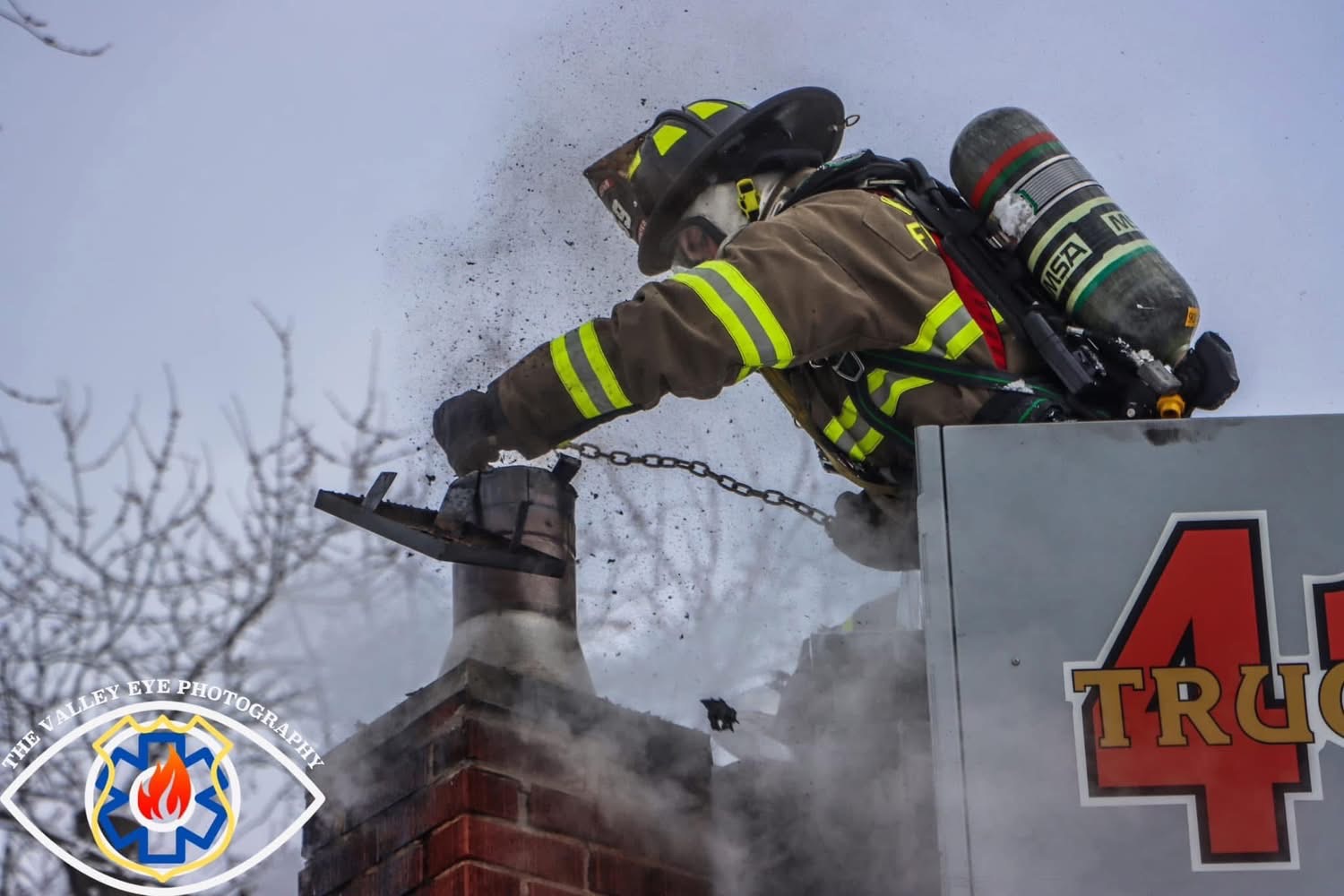
• Sparks or flames shooting from the top of the chimney
If you notice any of these things above, you should call 9-1-1 immediately. Don’t try and put the fire out on your own. Fire departments are trained to deal with these situations while using equipment to investigate and extinguish them.
Fire Departments use gas detectors and thermal imaging cameras to identify things you may not see. Firefighters investigate areas such as the chimney, walls inside the structure, for heat levels outside and inside the home. They also check for gas levels with certified gas detectors to ensure it’s safe for you to return.
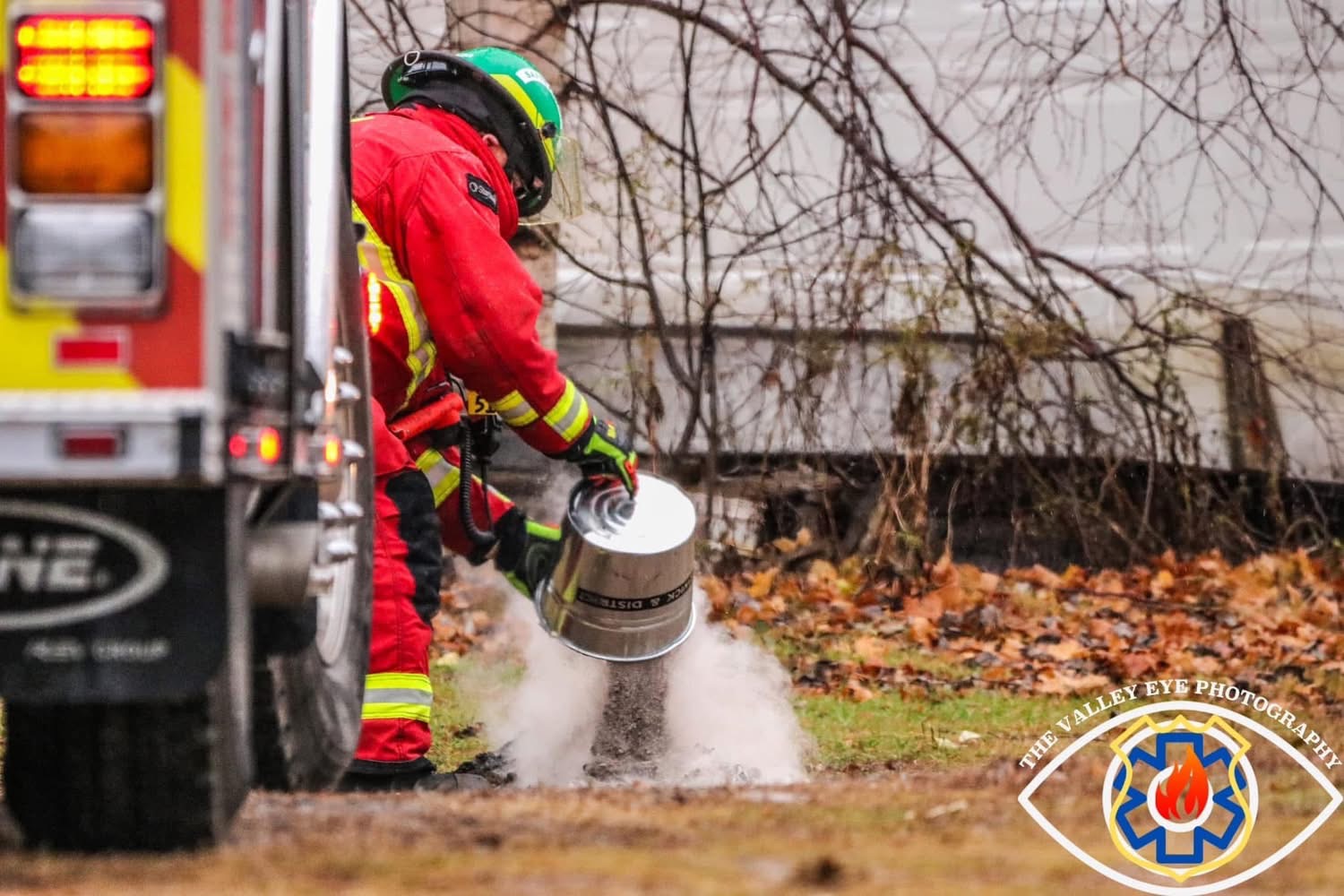
Firefighters also have specialized equipment to help remove burning wood from the wood-stove inside your home, never do this on your own.
They also use chains and chem bombs to extinguish and remove blockages in emergency situations.
Safety precautions:
• Never leave your fireplace unattended
• Do not use flammable liquids to start or accelerate the fire
• Having Carbon Monoxide alarms installed
• Keep the area around the chimney or woodstove clear of any debris, decorations and flammable materials
• Having smoke detectors installed
• Never use a chimney after a chimney fire
• Have your chimney cleaned and inspected annually!!!!
Having a Carbon Monoxide alarm, also known as a CO detector, installed year round is also a finishing touch to providing you and your family with a peace of mind throughout the year.
CO alarms detect gases within your home that you don’t see. These alarms can also be a key indicator of chimney fires.
Ensure you also have working smoke detectors!
Do your part in keeping you and your family safe this year by getting your chimney cleaned, have CO and smoke alarms installed and test them regularly!
Adrian J.