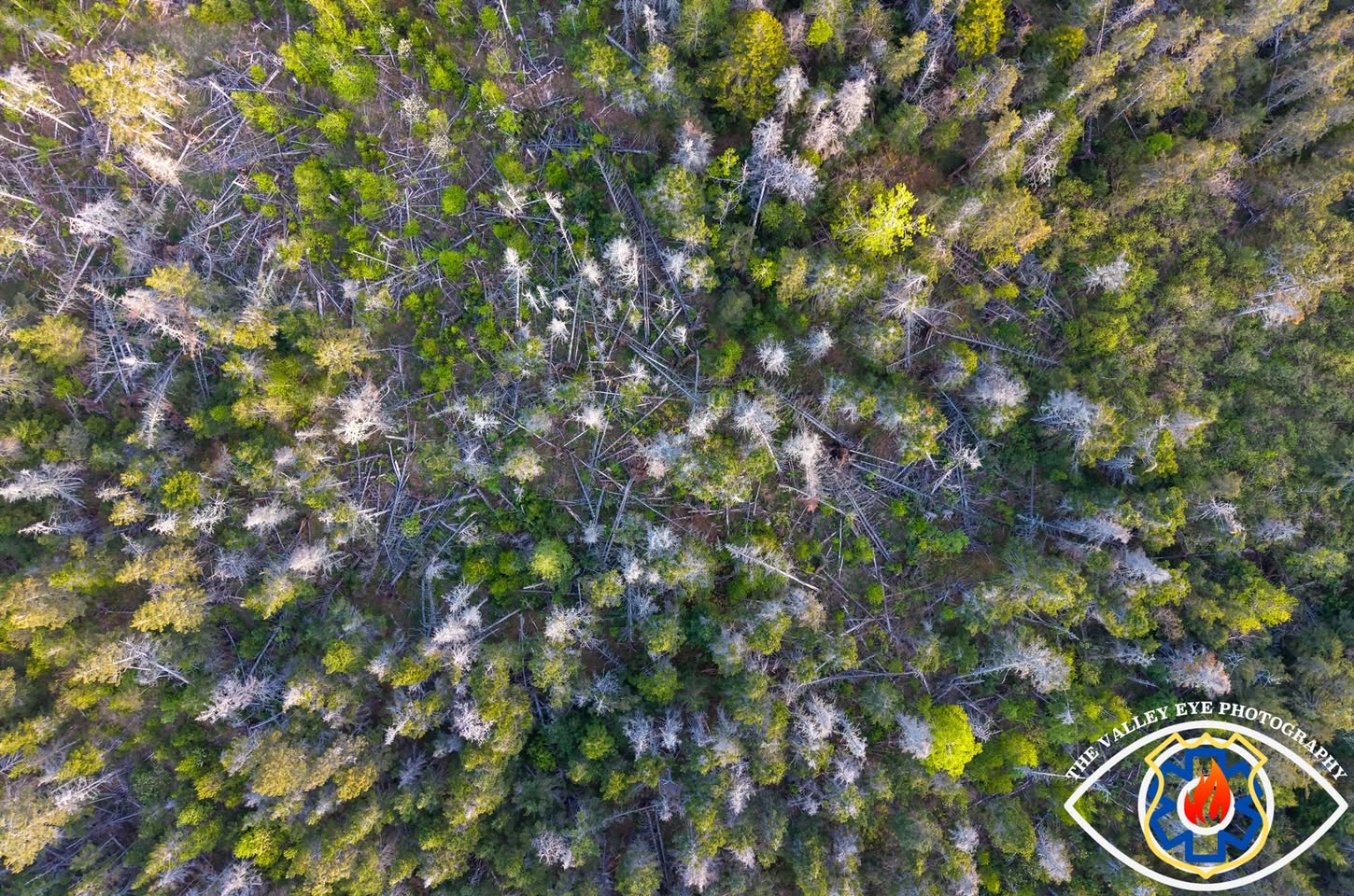
Intense wind storms over the past decade have resulted in many trees becoming victim, across our forest floors. These trees have collapsed in heavily wooded areas with many in our communities concerned on the impacts in the event of a wildfire.
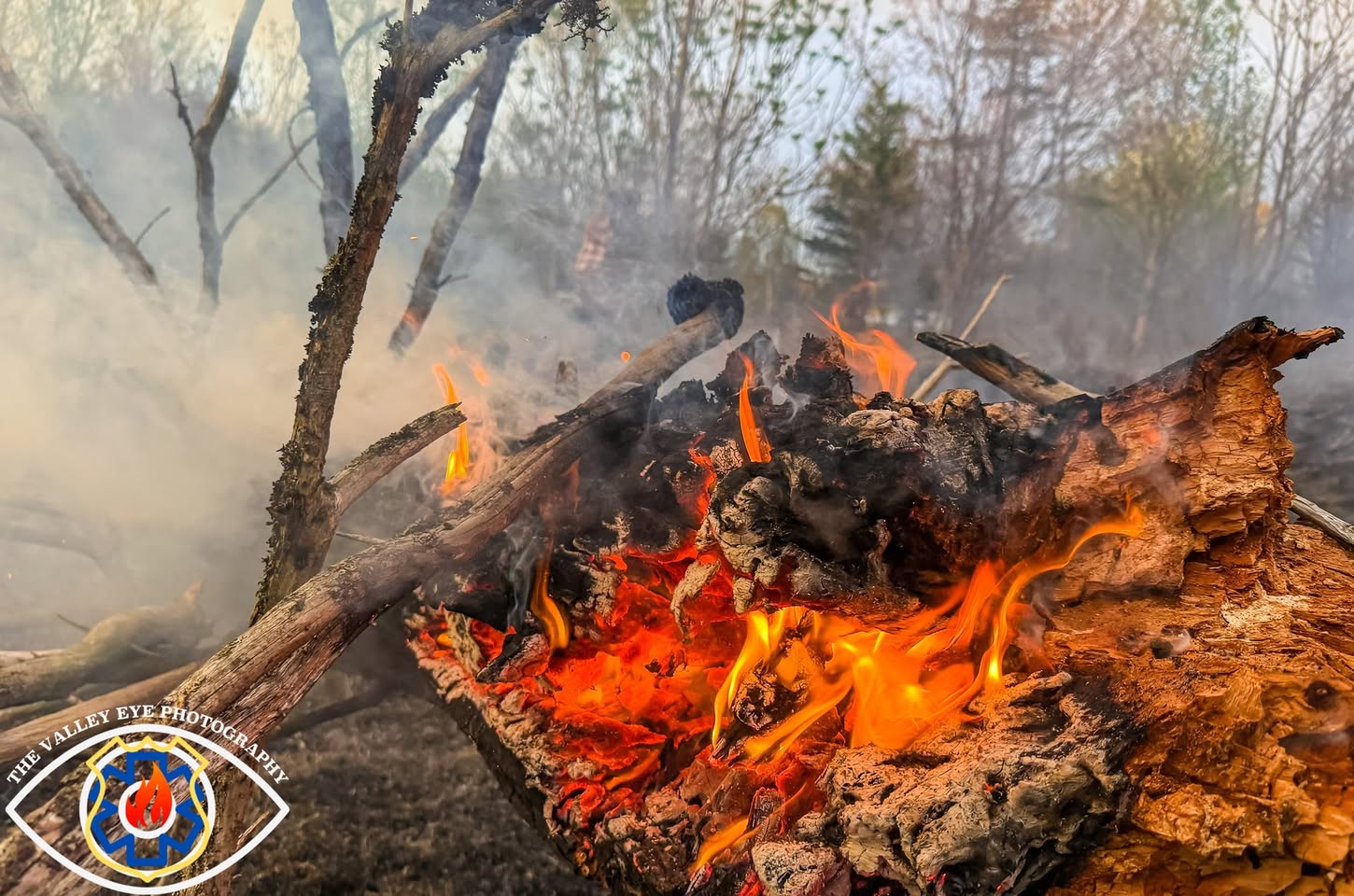
Downed trees aren’t always a bad thing, they create habitats and other crucial structures for birds, insects and small mammals. They serve as a critical need for shelter, food source while releasing vital nutrients.
But it turn, the dead trees that sit on the forest floor can become a huge problem if a wildfire breaks out under the right conditions.
Depending on how dry and long the dead trees have been there and also the environment, they can burn hotter, faster, longer and even deeper into the soil.
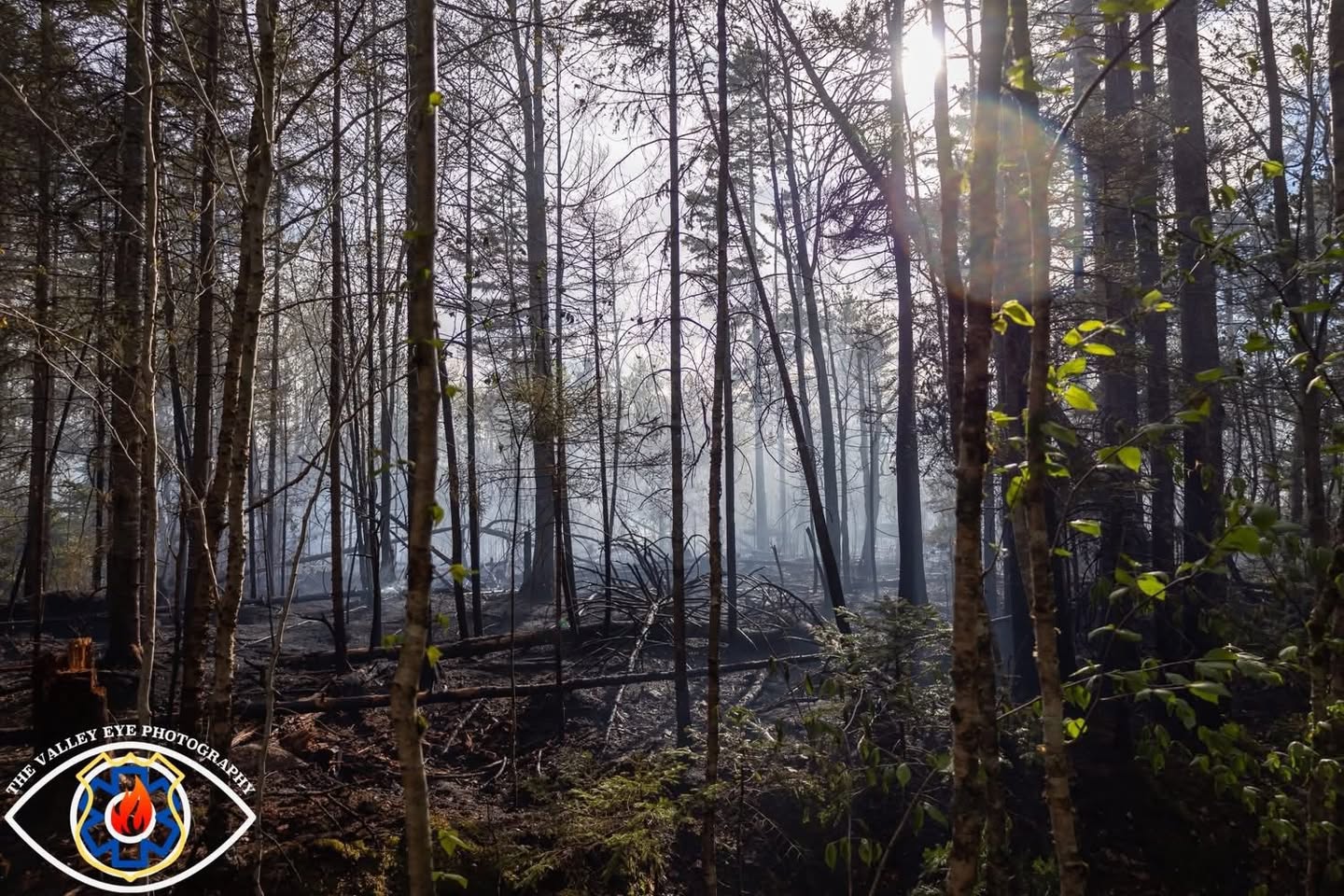
This can result in fires smouldering for a longer period of time, requiring more time and resources.
Deadfall can also ignite faster, embers from wildfires can quickly spark new fires, creating unpredictable spot fires in new locations, making wildfires harder to suppress.
It’s important to know your property and the risks around your home in the event of a potential wildfire!
There are several guides to follow and be prepared by visiting Fire Smart Canada.
You can visit the link attached below to start mitigating the risks around your home and property ⤵️
Adrian J.