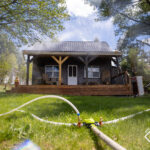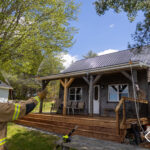
In 2025, it marked an historic effort, where Sprinkler Protection Units saved homes during the Long Lake wildfire in West Dalhousie.
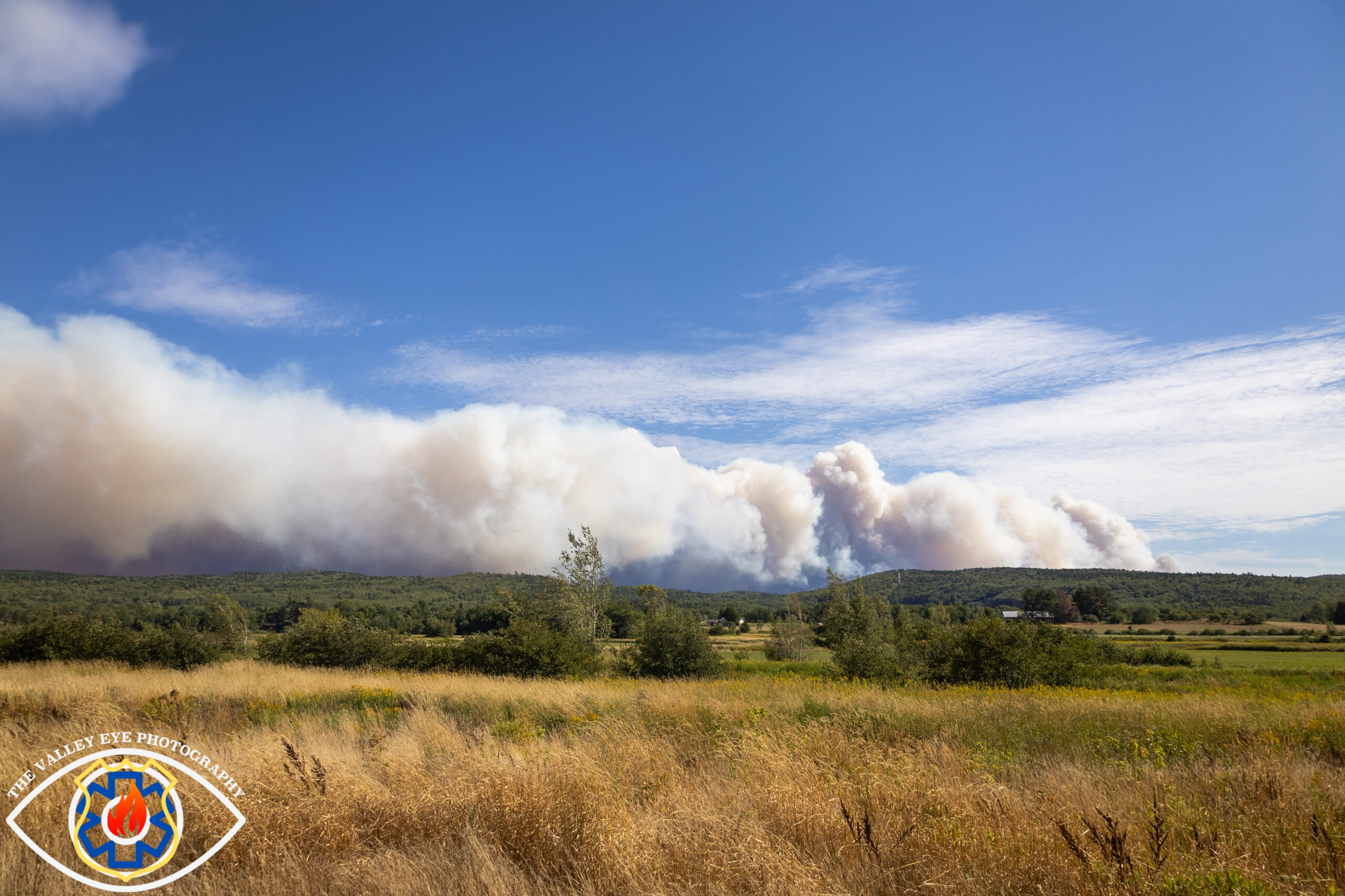
(Pictured – Long Lake Wildfire in West Dalhousie 2025)
SPUs or, in public speaking terms, Sprinkler Protection Units, are a newly introduced method here in N.S. used to help protect homes and structures that are being threatened by wildfires.
Over the years, Nova Scotia has suffered its wrath of destruction, resulting in thousands of residents being forced to evacuate their homes, destroying hundreds of structures and threatening many others.
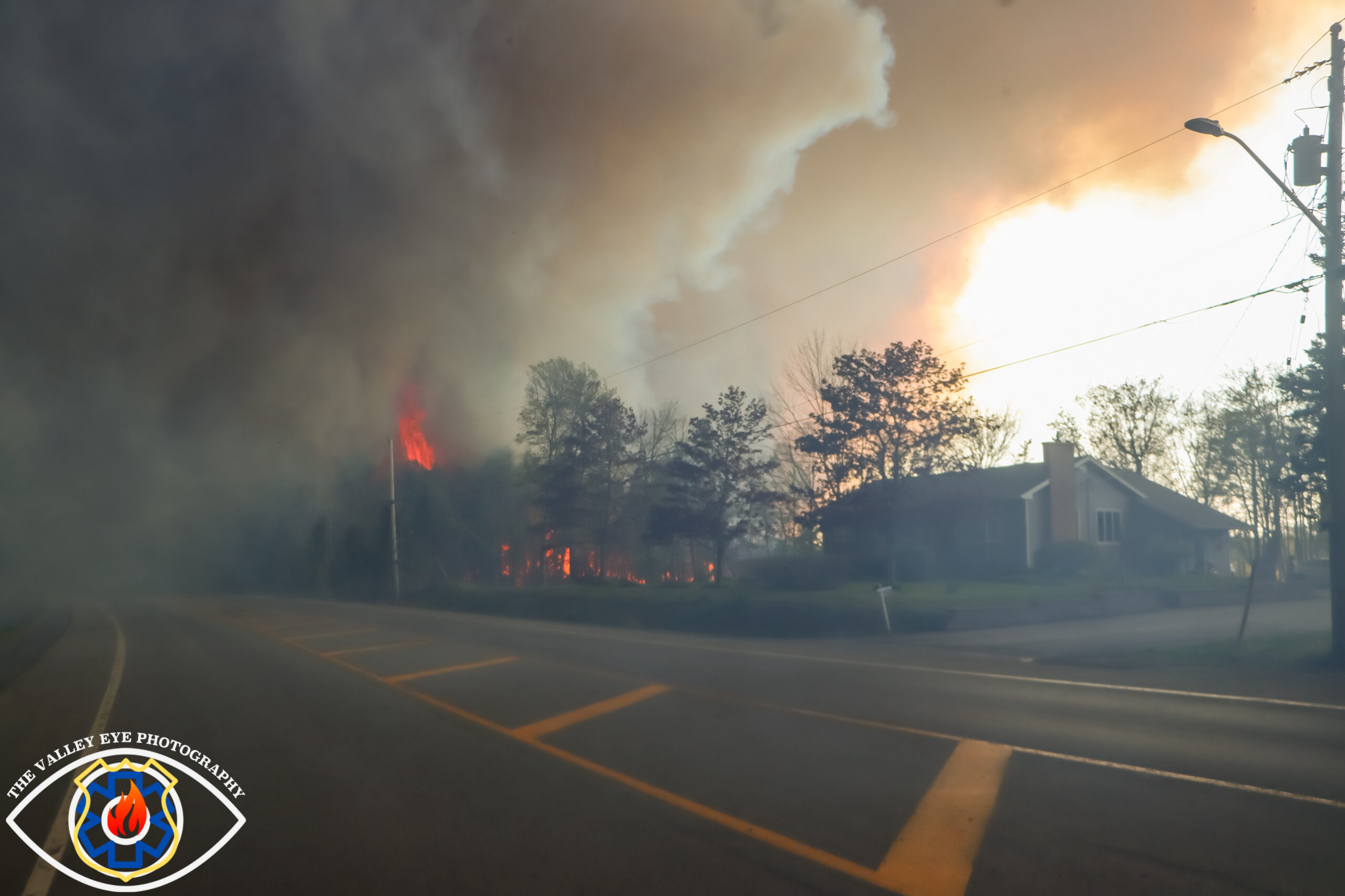
(Pictured – Upper Tantallon Wildfire in 2023 along Hammonds Plains Road)
During the 2023 wildfire season, the province saw 220 reported wildfires and a record-breaking 25,000 + hectares burned.
This historic wildfire season consumed over 200 homes between two wildfires, which included the Barrington Fire in Shelburne County and the Upper Tantallon Fire in Halifax County.
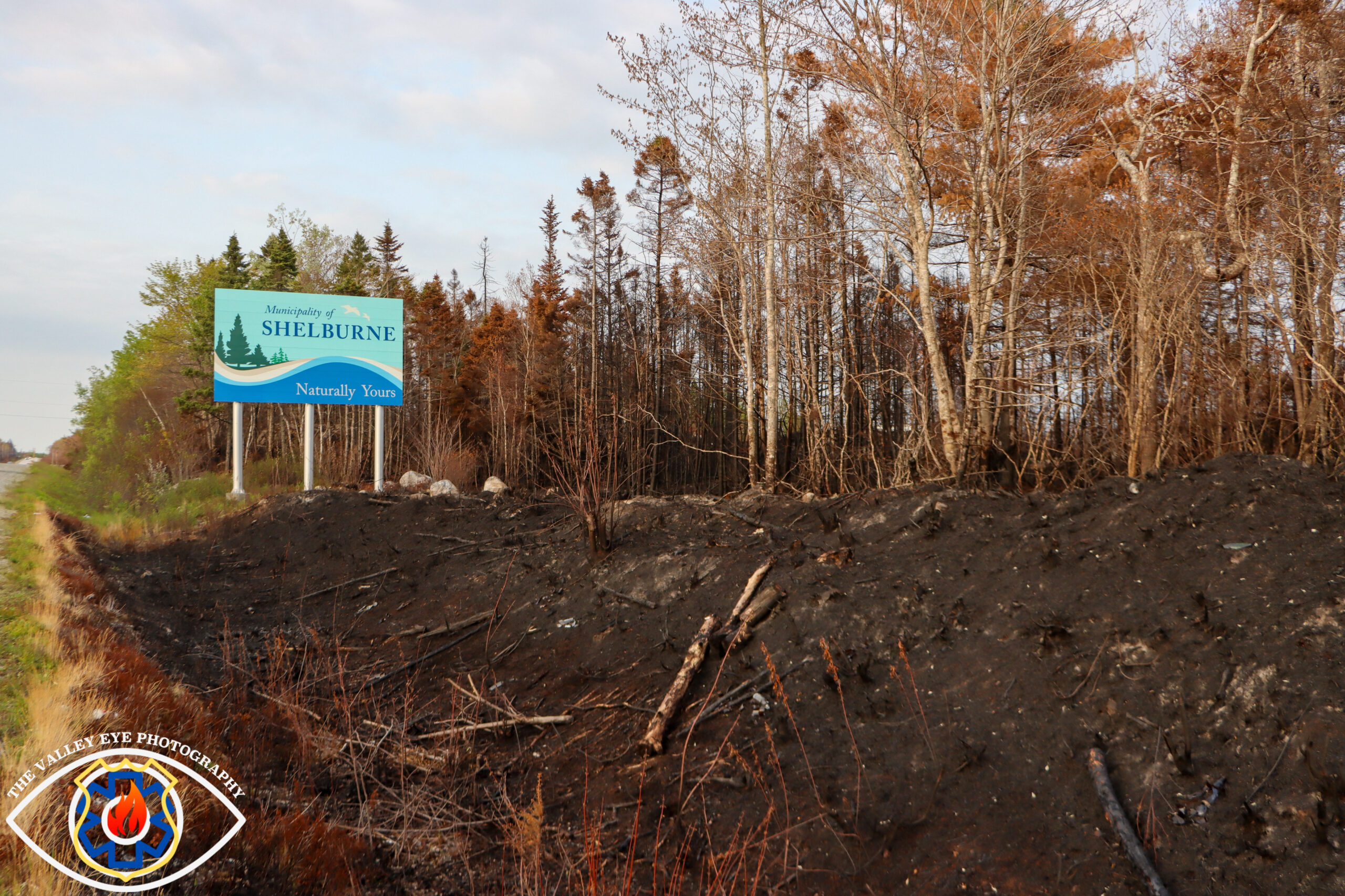
(Pictured – The Shelburne County sign charred by the 2023 Barrington Wildfire)
Firefighters worked desperately to save structures in their communities, bringing in resources from all across the province and beyond to fight them and doing whatever they could to tame the flames.
Residents felt this particular fire season was a one-off, similar to the flash flooding that impacted West Hants in 2023, claiming the lives of four.
With a much calmer fire season in 2024, it almost appeared this way. The province experienced 83 reported wildfires and about 47 hectares of land burned, a significant decrease from the year prior.
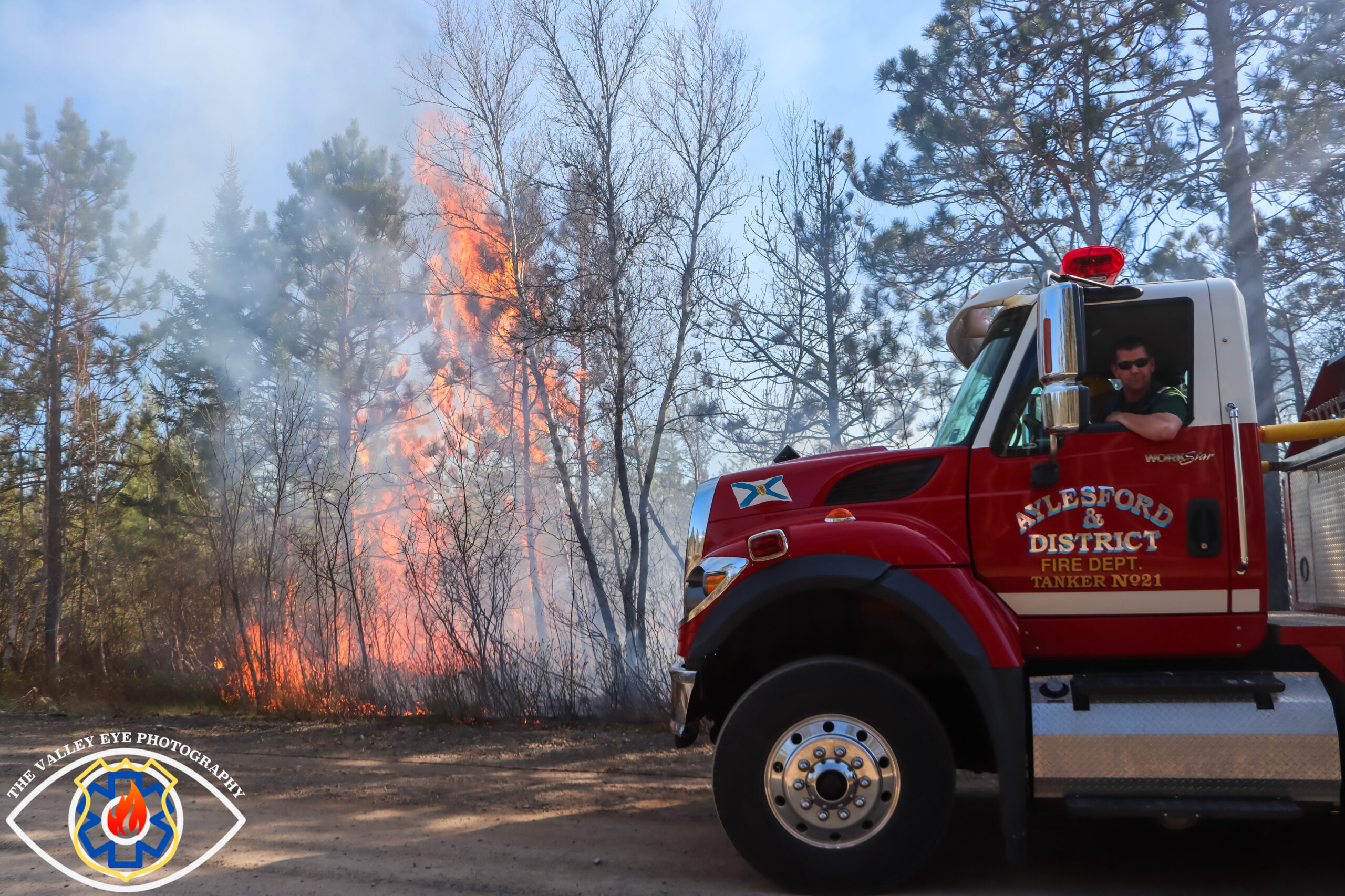
(Pictured – Aylesford Tanker on scene of a Wildfire in Greenwood Square in 2024)
Unfortunately during this same year, flooding again impacted parts of the province, claiming the life of a youth. It truly indicated that climate change was here and adapting to these changing conditions was necessary.
Following the flood conditions that the Brooklyn Fire Department faced three years ago, they made the decision that they weren’t waiting for another climate change disaster.
In 2025, the department invested thousands of dollars into purchasing new boats and equipping themselves with sprinkler protection equipment for wildfires in case this was ever needed in their area.
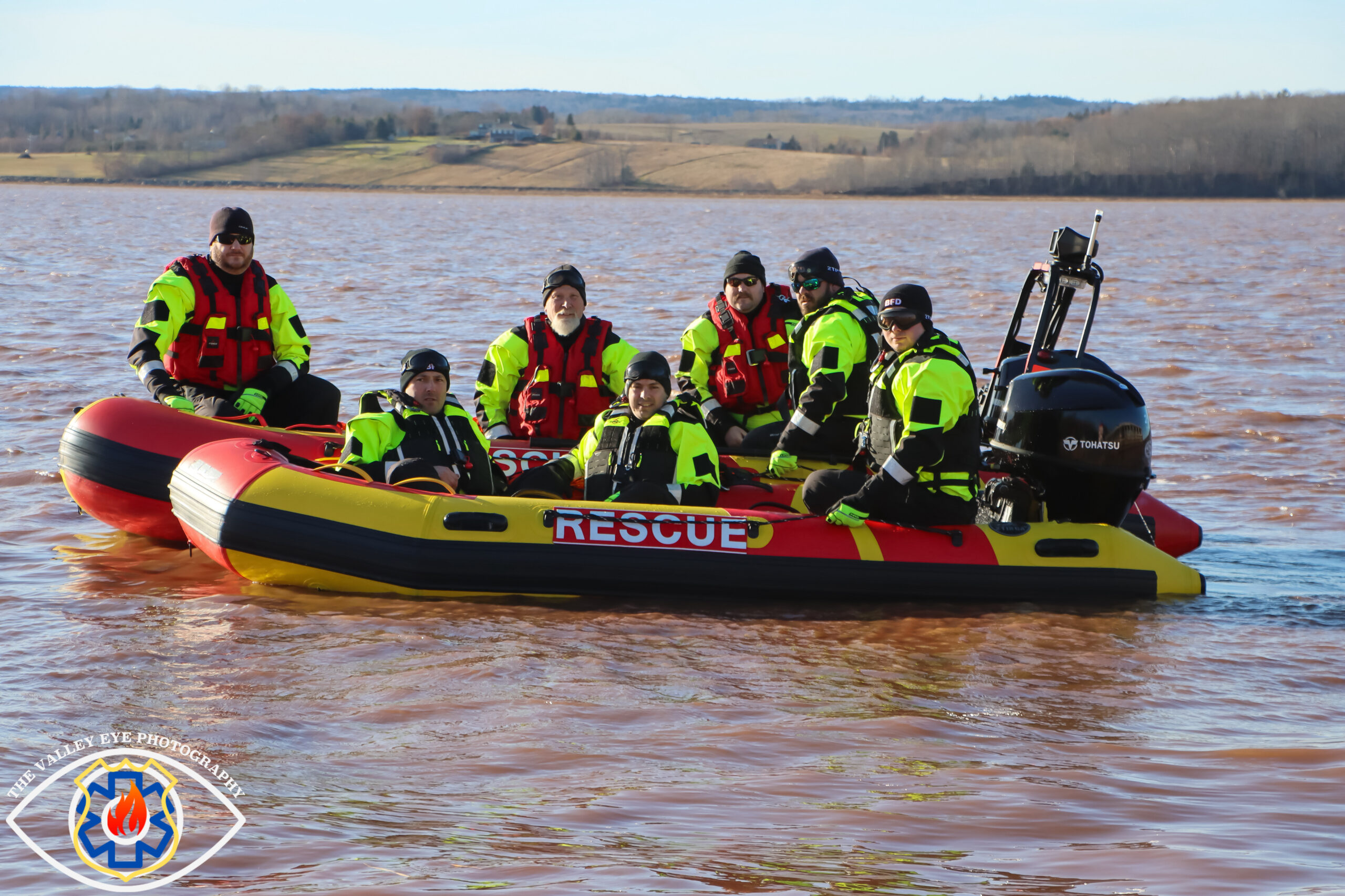
(Pictured – Brooklyn Fire Department and their acquired boats)
Their decisions may not have paid off specifically in their fire district, but it influenced the need to invest in Sprinkler Protection Units across the province.
The Long Lake wildfire in West Dalhousie burned around 8,500 hectares and destroyed 20 homes in 2025.
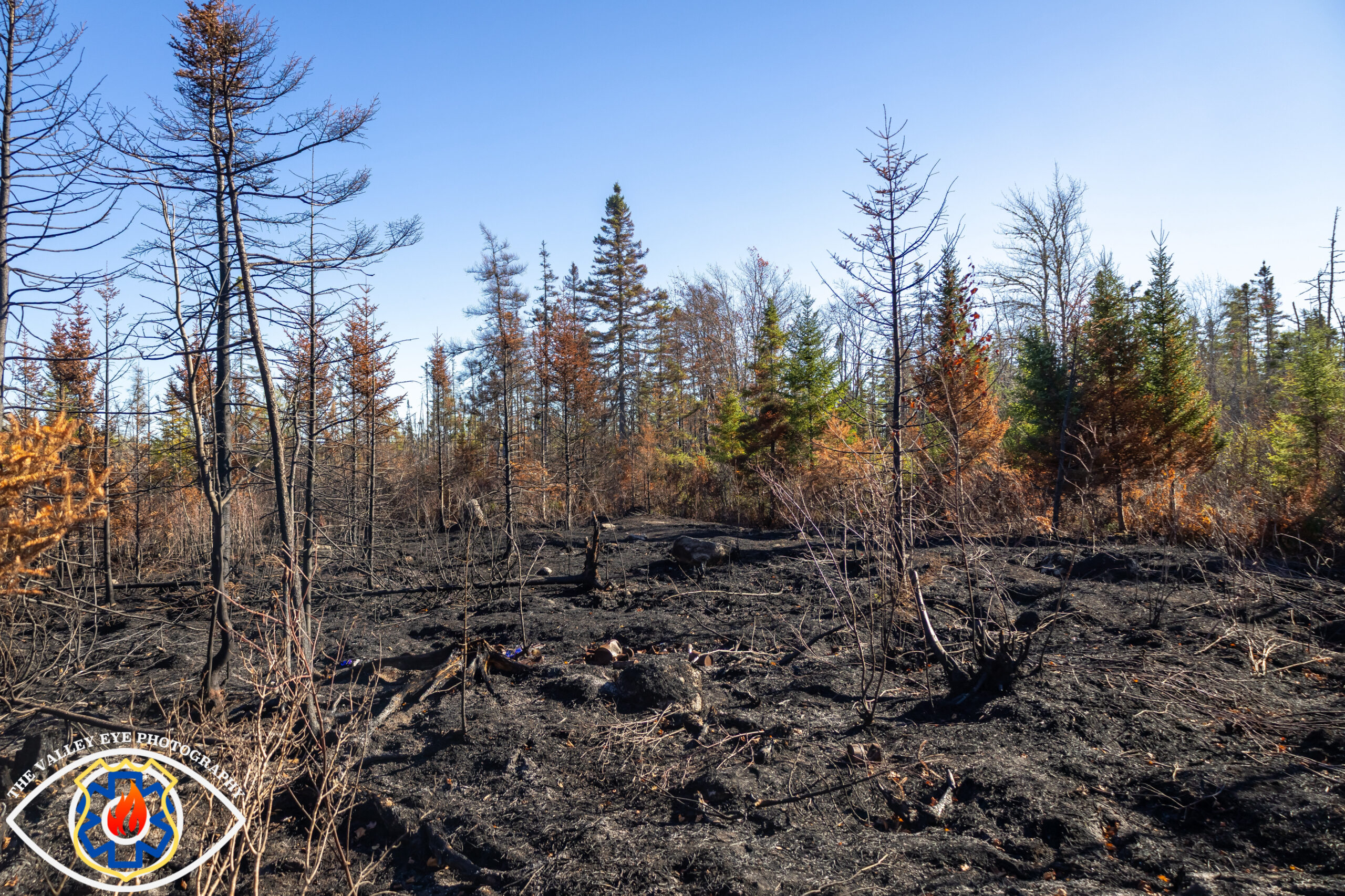
(Pictured – Aftermath of the forest in West Dalhousie from the Long Lake Wildfire in 2025)
For the first time in the province’s history, Sprinkler Protection Units were successfully deployed. The majority of the homes that were equipped were in fact saved.
When the West Dalhousie wildfire began showing signs of increased fire behaviour, the Brooklyn Fire Department was called upon to bring their Sprinkler Protection Unit.
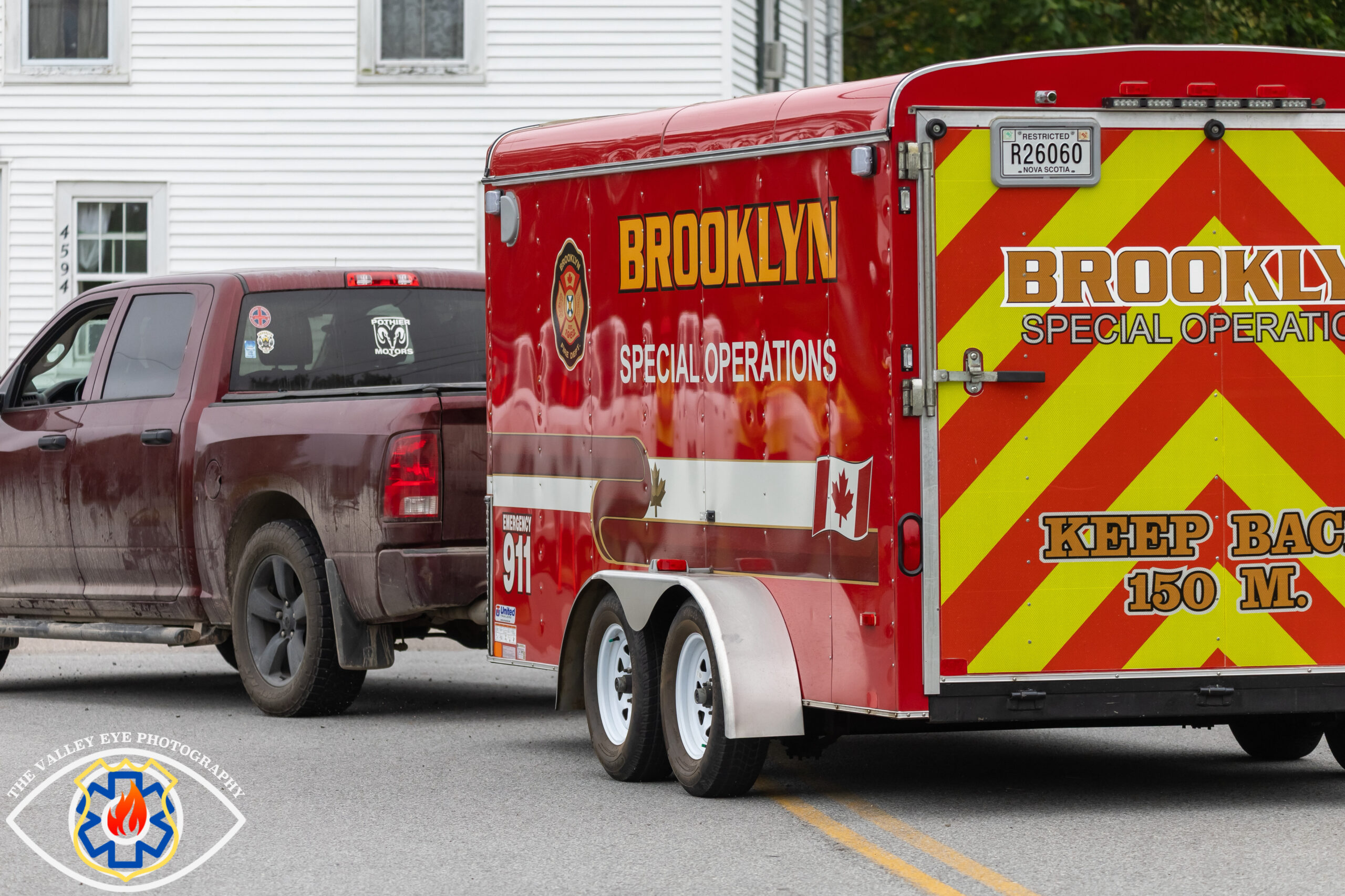
(Pictured – Brooklyn Sprinkler Protection Unit arriving in West Dalhousie in 2025)
Until this fire, SPU’s were never put in place during a wildfire in Nova Scotia, its first true test of its effectiveness.
Over a number of days, as the fire approached the community, equipment was strategically installed on 88 structures. In the end, only 3 of the equipped structures were lost.
Even during the response in West Dalhousie, the need for sprinklers was recognized. The province called on a local vendor who made an emergency purchase of an SPU and had it delivered and on site within 6 days to save more homes.
Despite losing 20 homes and a number of outbuildings, the instalment of sprinklers was a game changer in the way Nova Scotia can manage and respond to fires threatening homes in our communities.
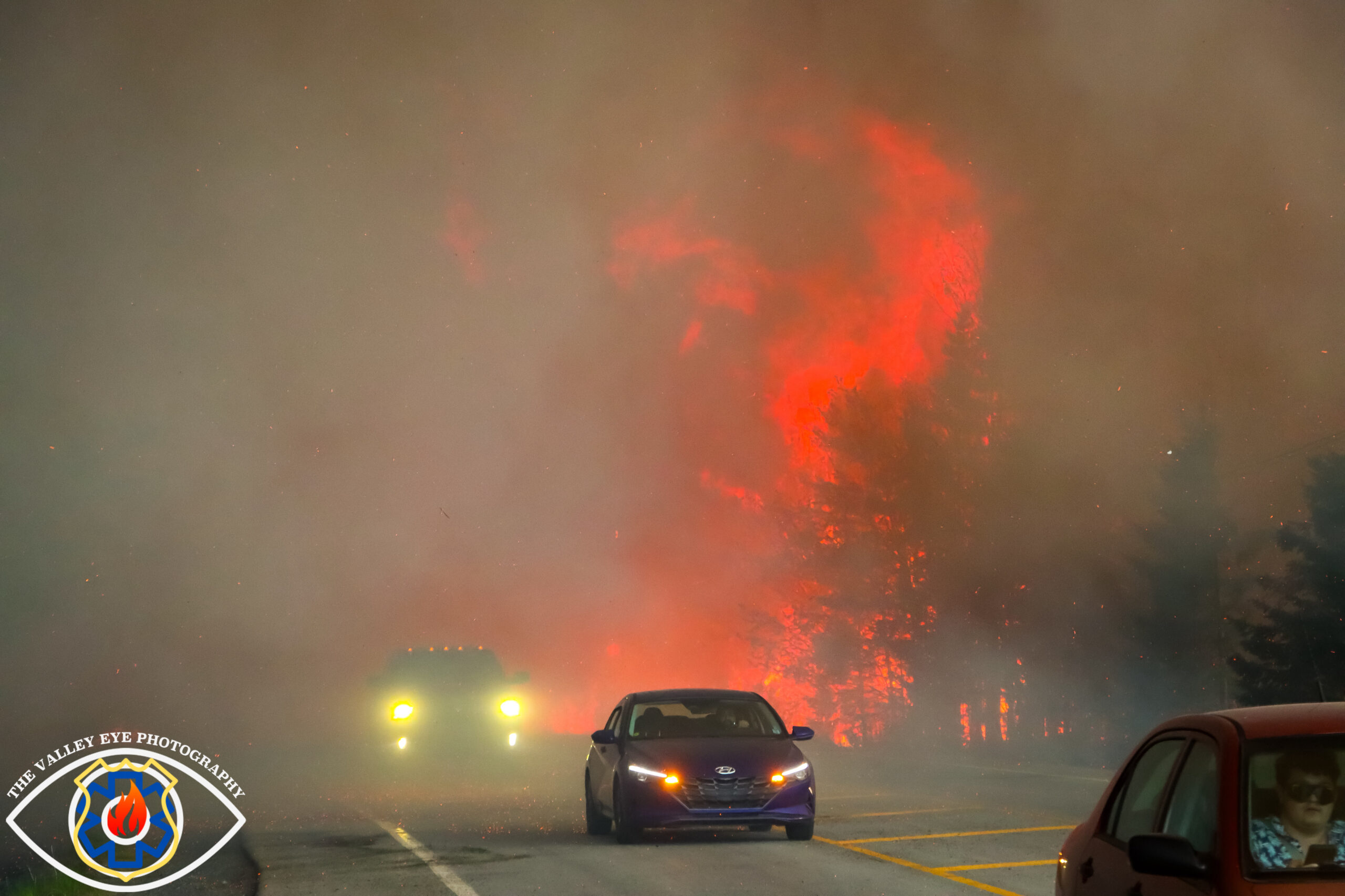
(Pictured – Residents fleeing the Upper Tantallon Wildfire in 2023)
After last year’s devastating fire season and the successful use of SPU’s, the province of Nova Scotia has implemented a structural protection program, focused on Sprinkler Protection Units and responses.
Trailers equipped with sprinklers and equipment capable of protecting 40 homes will be available in the event of a wildfire threatening communities, along with trained firefighters.
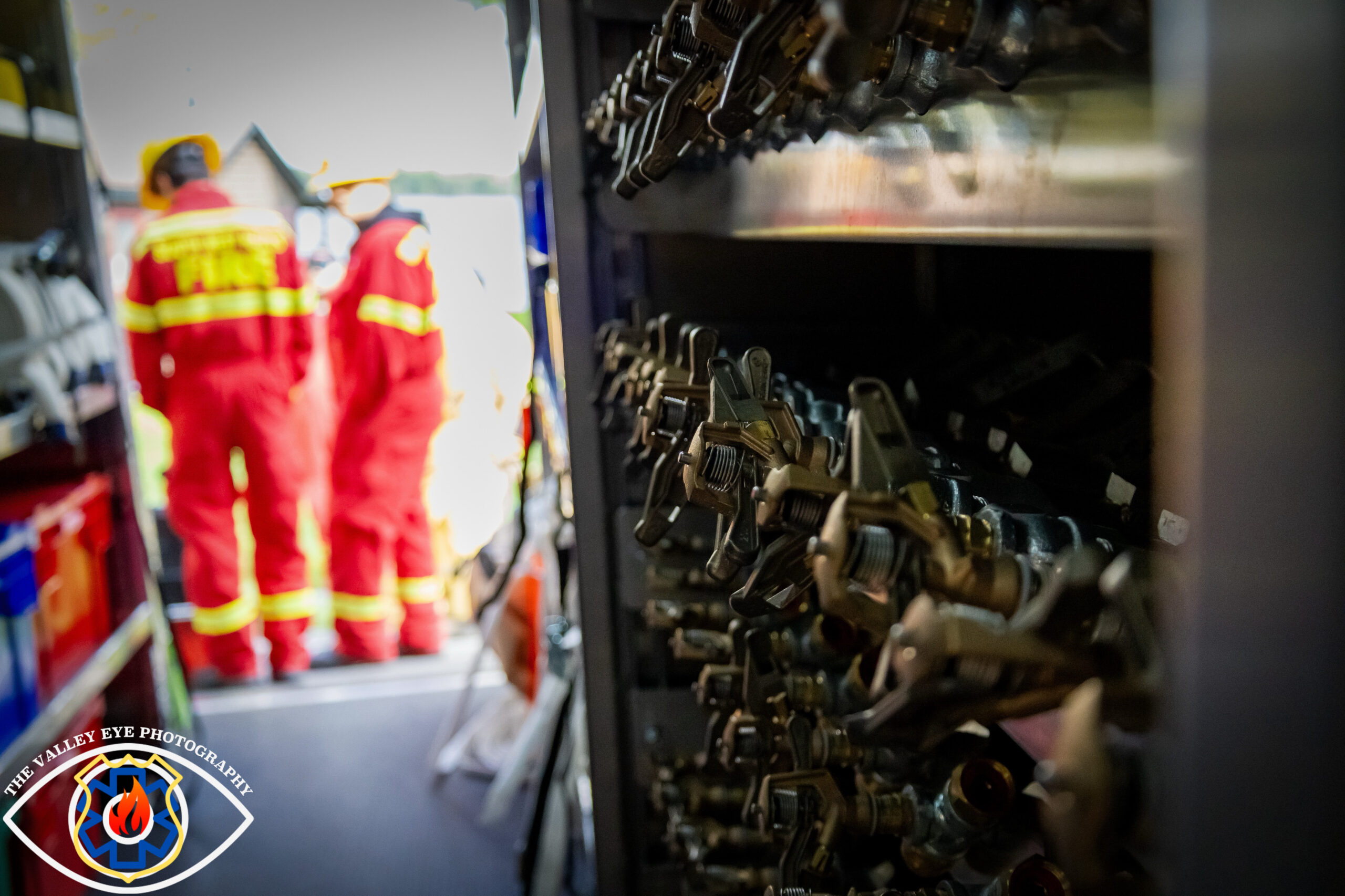
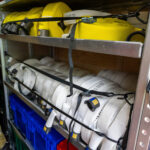
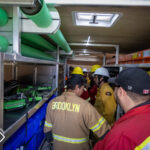
(Pictured – Sprinklers inside one of the provincial SPUs)
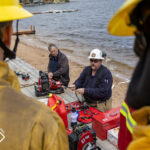
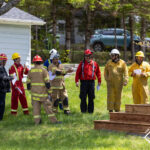
Back in May, in partnership with the province, the WASP Wildfire Atlantic and FireSafe Headquarters conducted SPU training for almost 100 firefighters across the province.
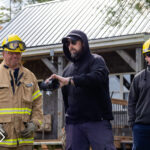
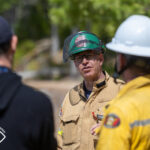
Two wildfire experts from British Columbia, Gord Parker, retired from Port Moody Fire Department after 36 years, and Tom Boechler, retired from Coquitlam Fire Rescue after 37 years, were brought in to help host the training.
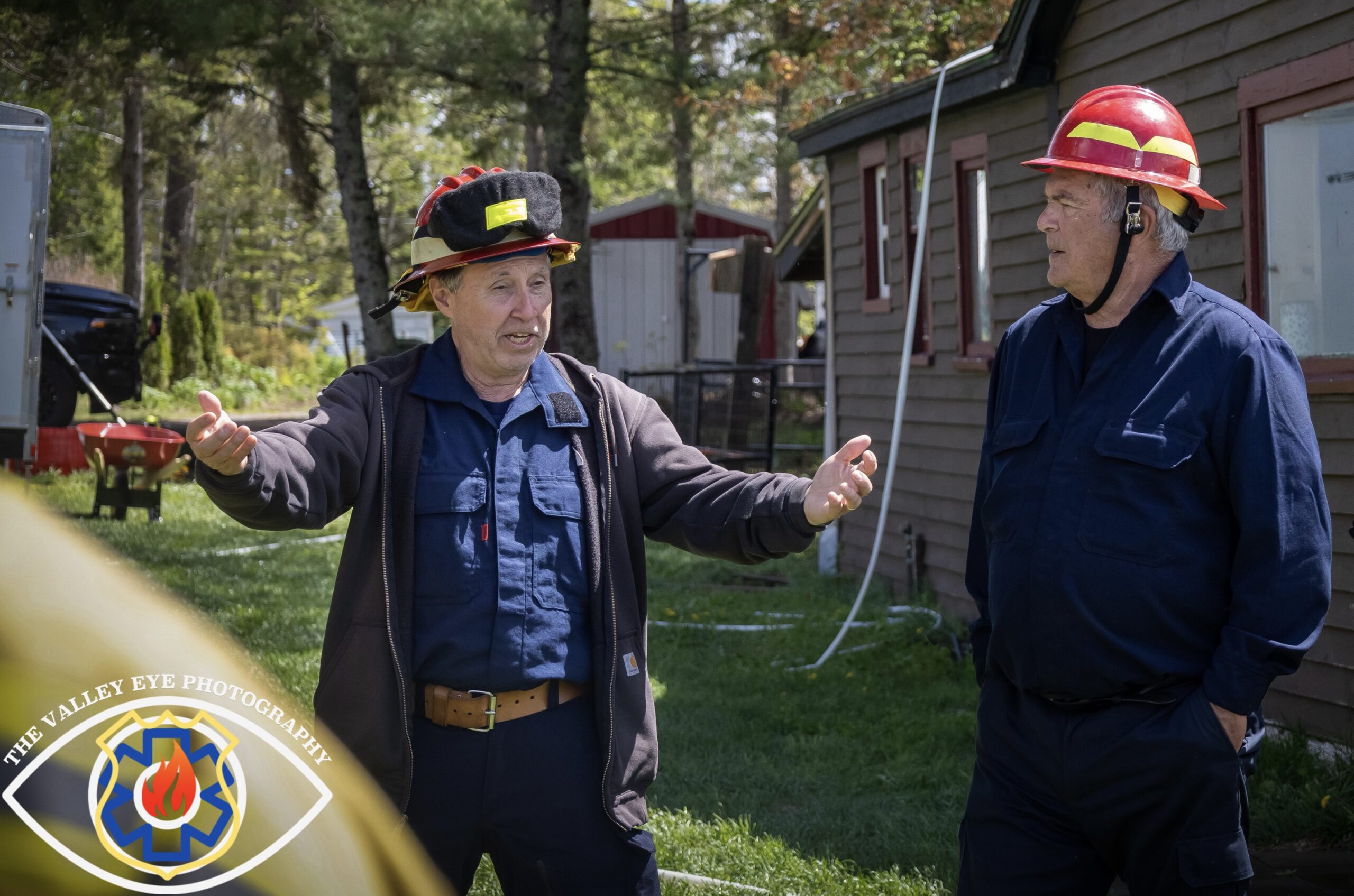
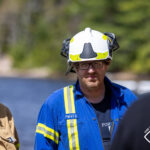
(Pictured – Left Gord Parker & Right Tom Boechler)
Both Gord & Tom are Structure Protection Specialists with the British Columbia Wildfire Services.
Back in 2004, they started the structure protection program in B.C. after the 2003 Okanagan Mountain Park Wildfire, which was the most significant interface wildfire event in BC history at the time.
The fire’s final size was 25,600 hectares with 238 homes being lost or damaged.
With their expertise, firefighters in Nova Scotia have taken in-depth training in the process that goes into deploying sprinklers so they can be ready to respond at a moment’s notice this wildfire season.
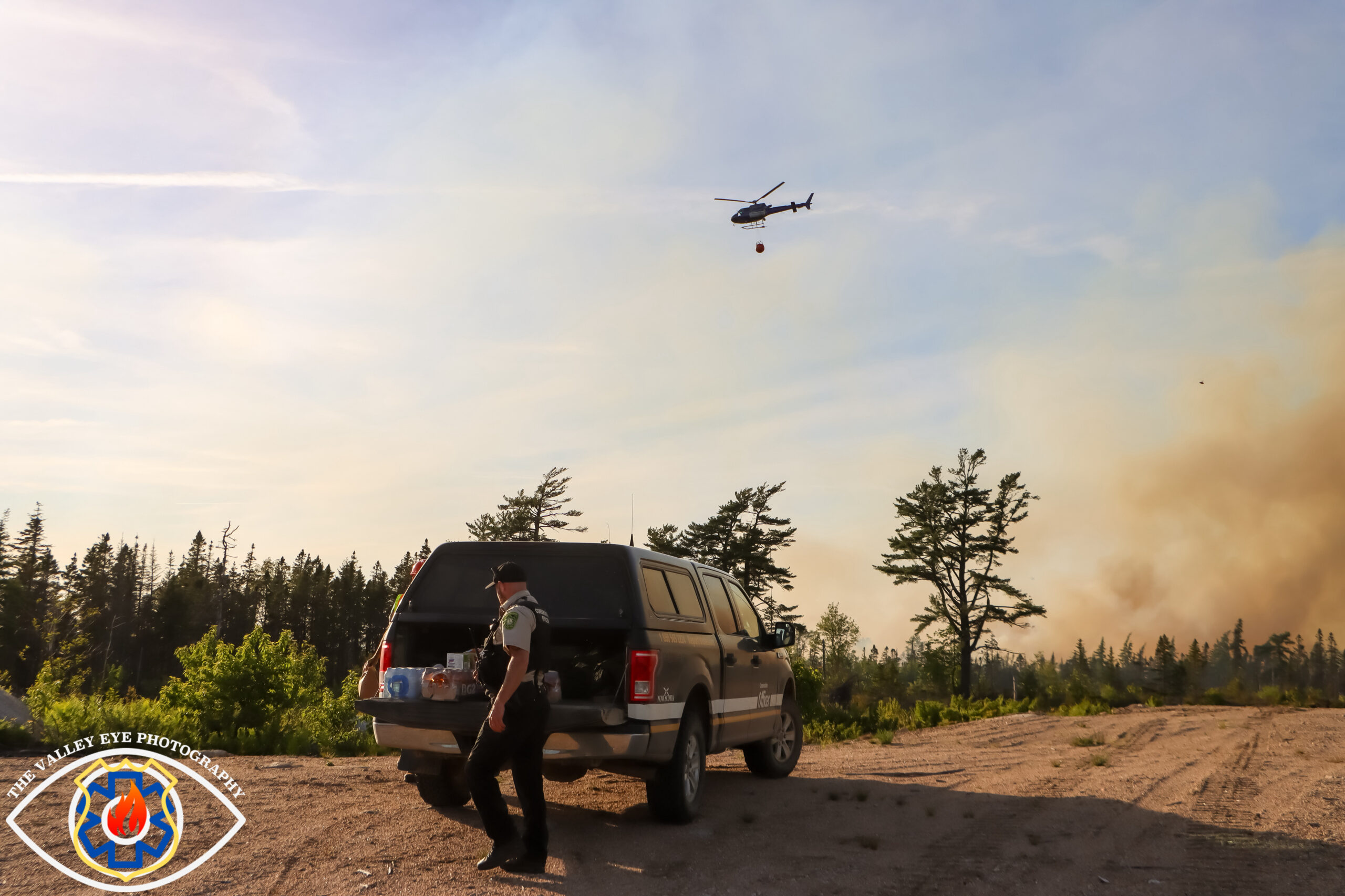
(Pictured – Digby County Wildfire in 2022)
But what are they, and how do they work?
Structure Protection Units (SPUs) are specialized trailers equipped with sprinklers, pumps, hoses and other tools that are designed to create a protective moisture barrier around buildings threatened by wildfire. It increases a structure’s chance of surviving a wildfire by applying water and reducing ember ignition.
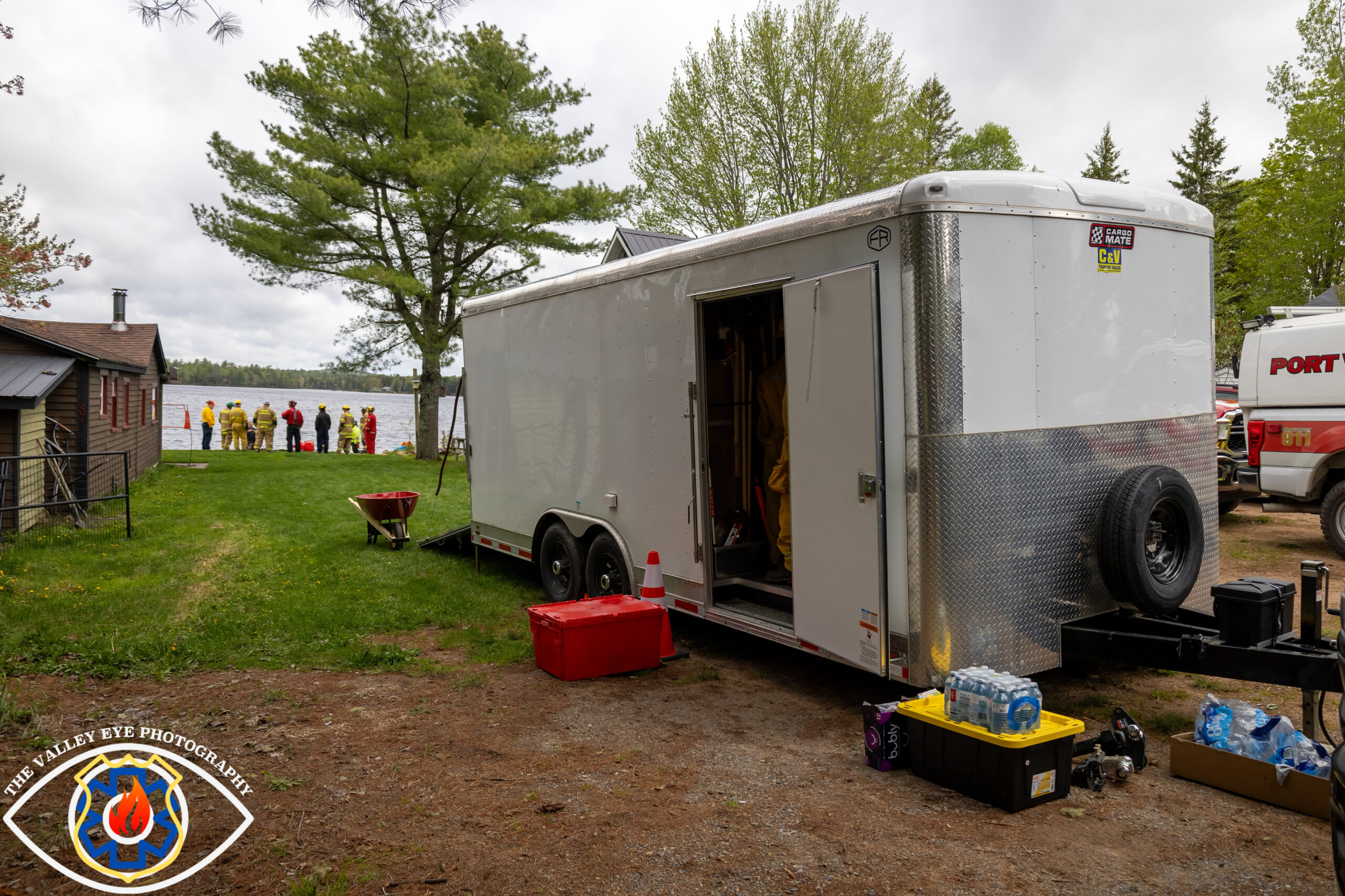
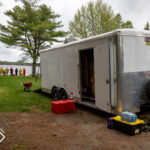
(Pictured – Province owned SPU Trailer)
But SPUs aren’t the answer to all wildfires. They require a time buffer in order to be set up safely before an approaching fire.
They also require a water source. For example, last year in West Dalhousie, tankers were called in from dozens of fire departments to shuttle water to and from the pumps, providing an adequate water supply to feed the sprinklers.
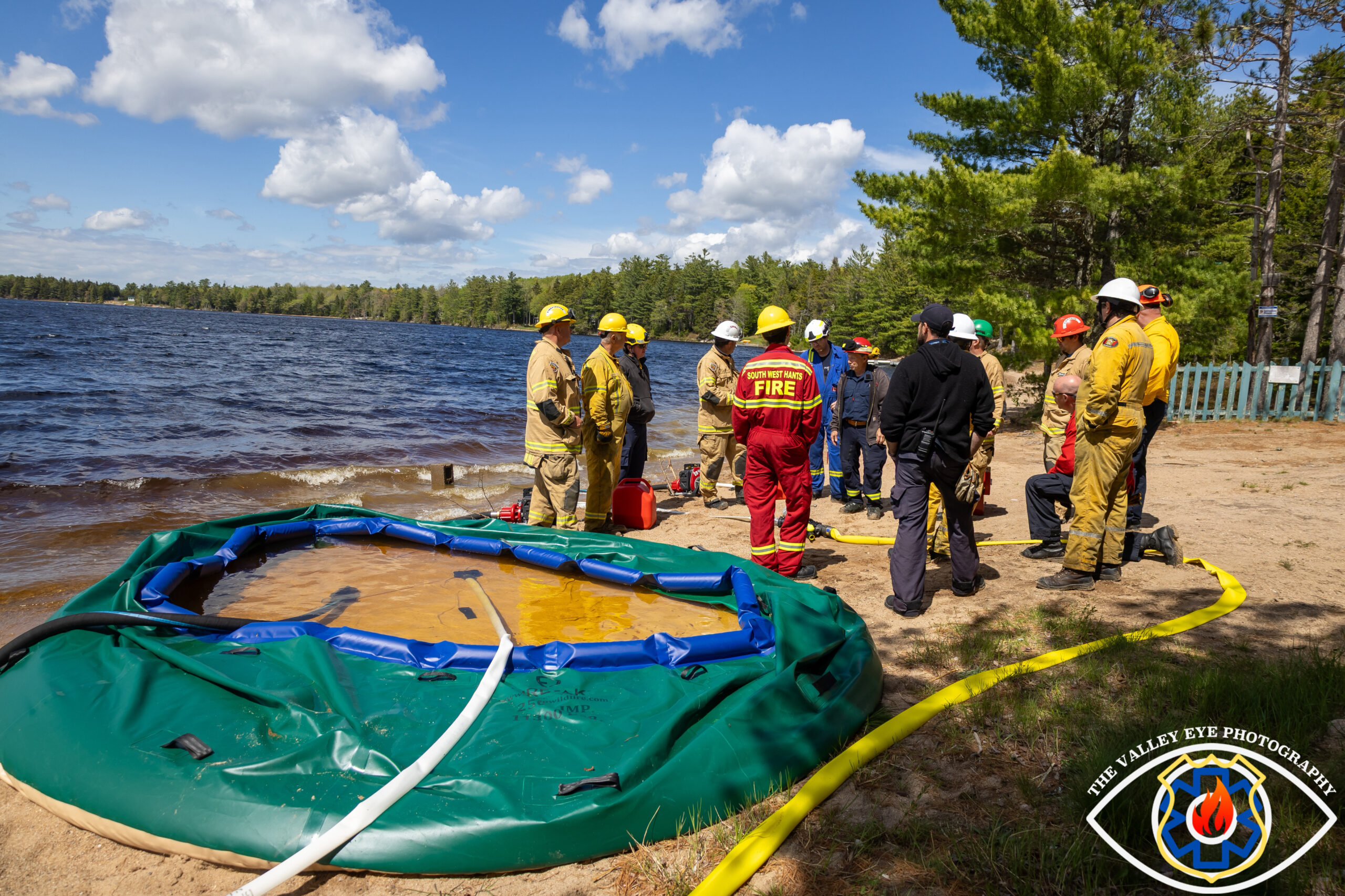
(Pictured – Dump-tank where tankers would supply water for pumps to feed sprinklers)
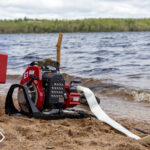
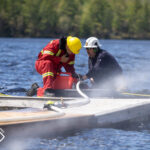
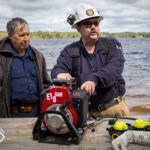
In other scenarios, like the wildfire in Lake George, the pumps were able to get water directly from the lake, reducing the need for tankers to shuttle water back and forth. Every scenario is different, and each one has its advantages and disadvantages.
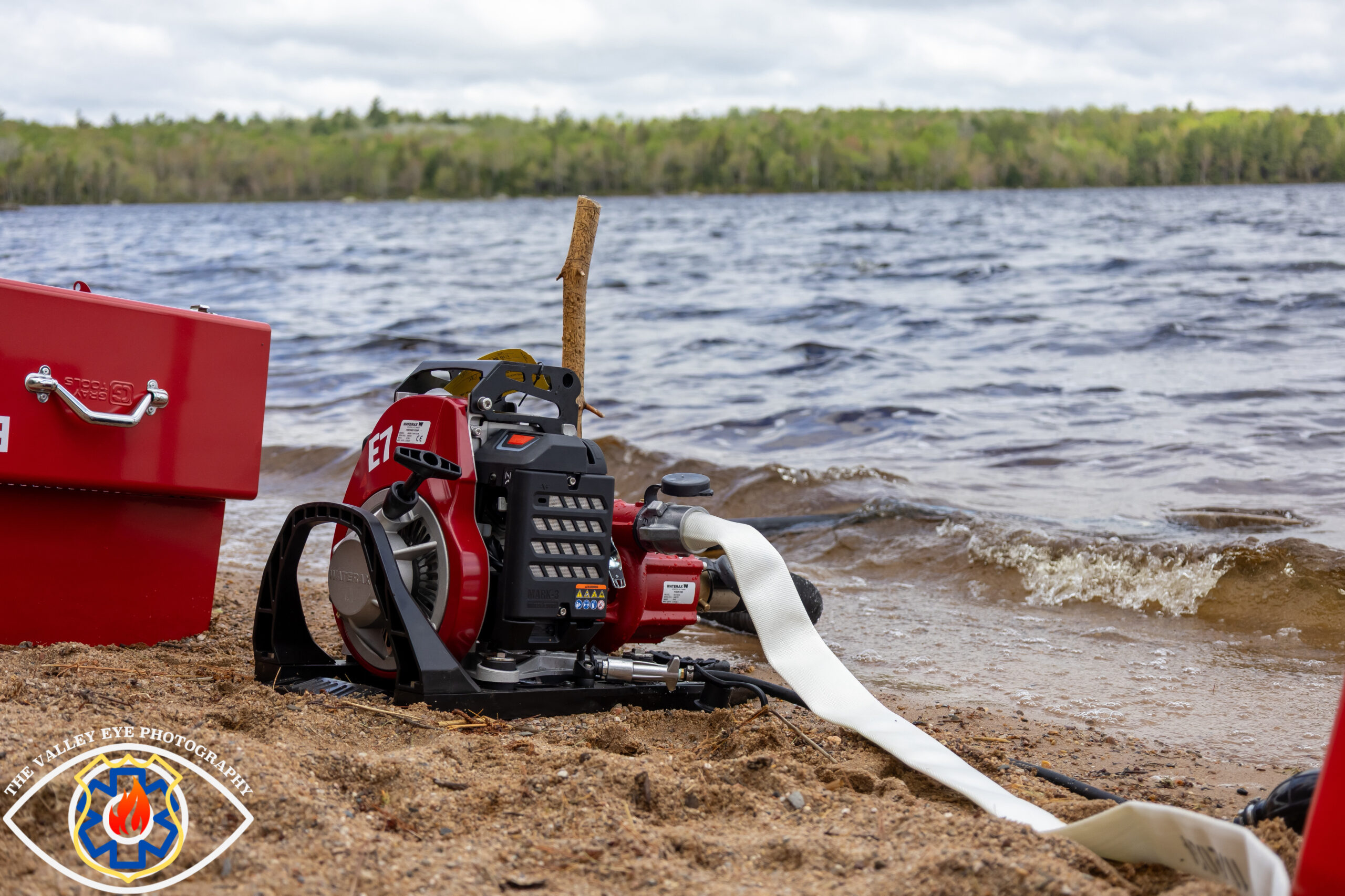
(Pictured – Sprinkler pump drafting right from the lake to supply sprinklers)
Like a fire truck, these units are mobile and can be transferred from location to location; an asset that can serve the entire province.
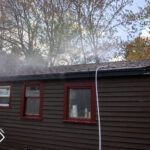
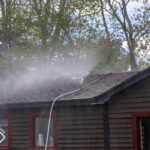
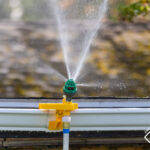
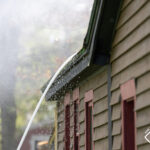
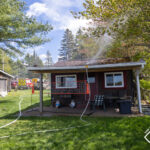
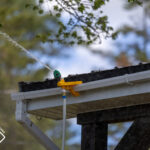
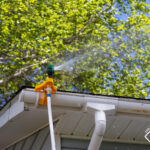
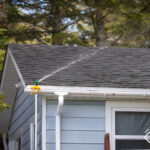
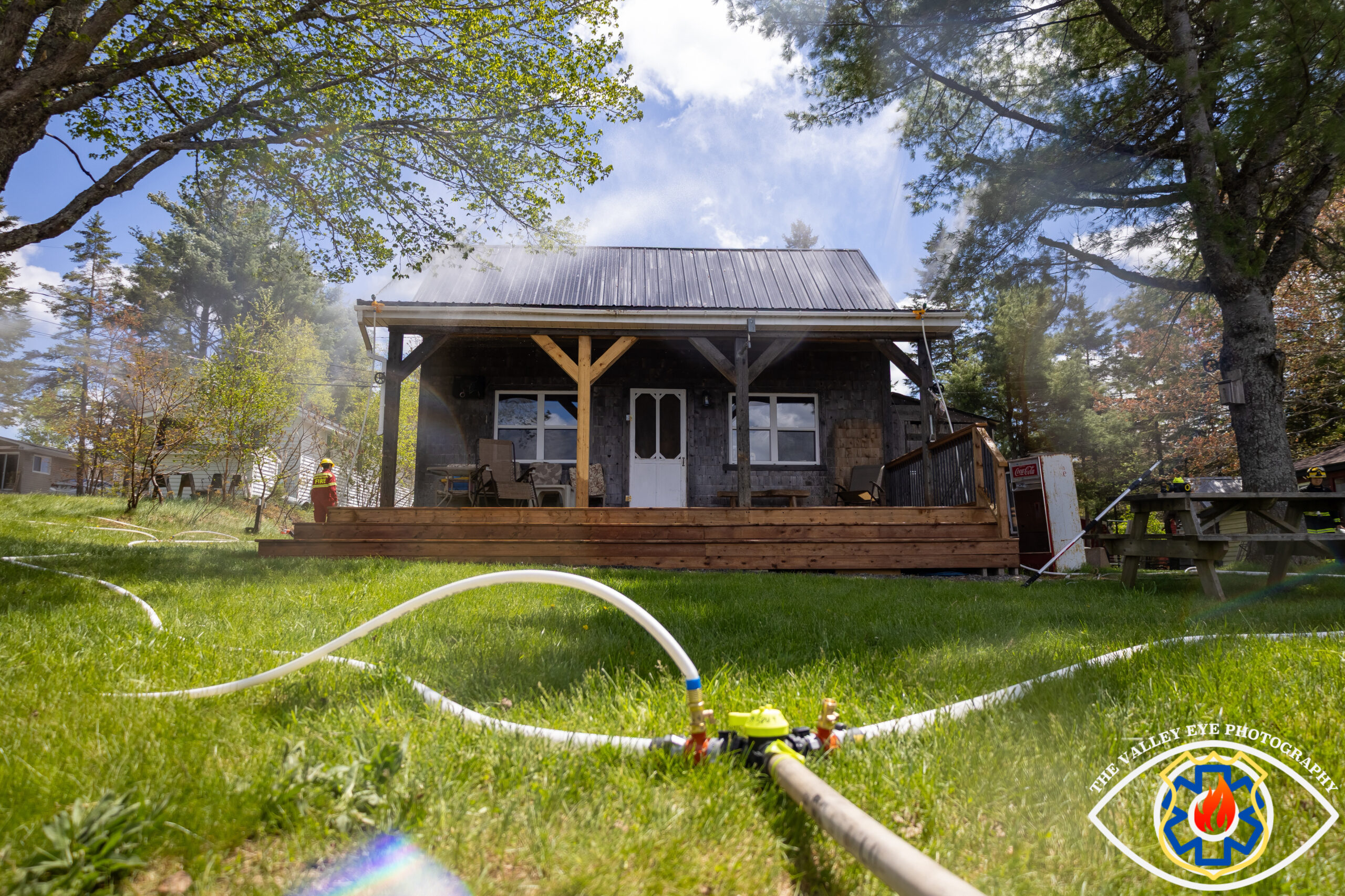
SPUs use hundreds of sprinklers to spray water into the air around homes and infrastructure. Keeping buildings damp is essential to protecting them from flames and embers.
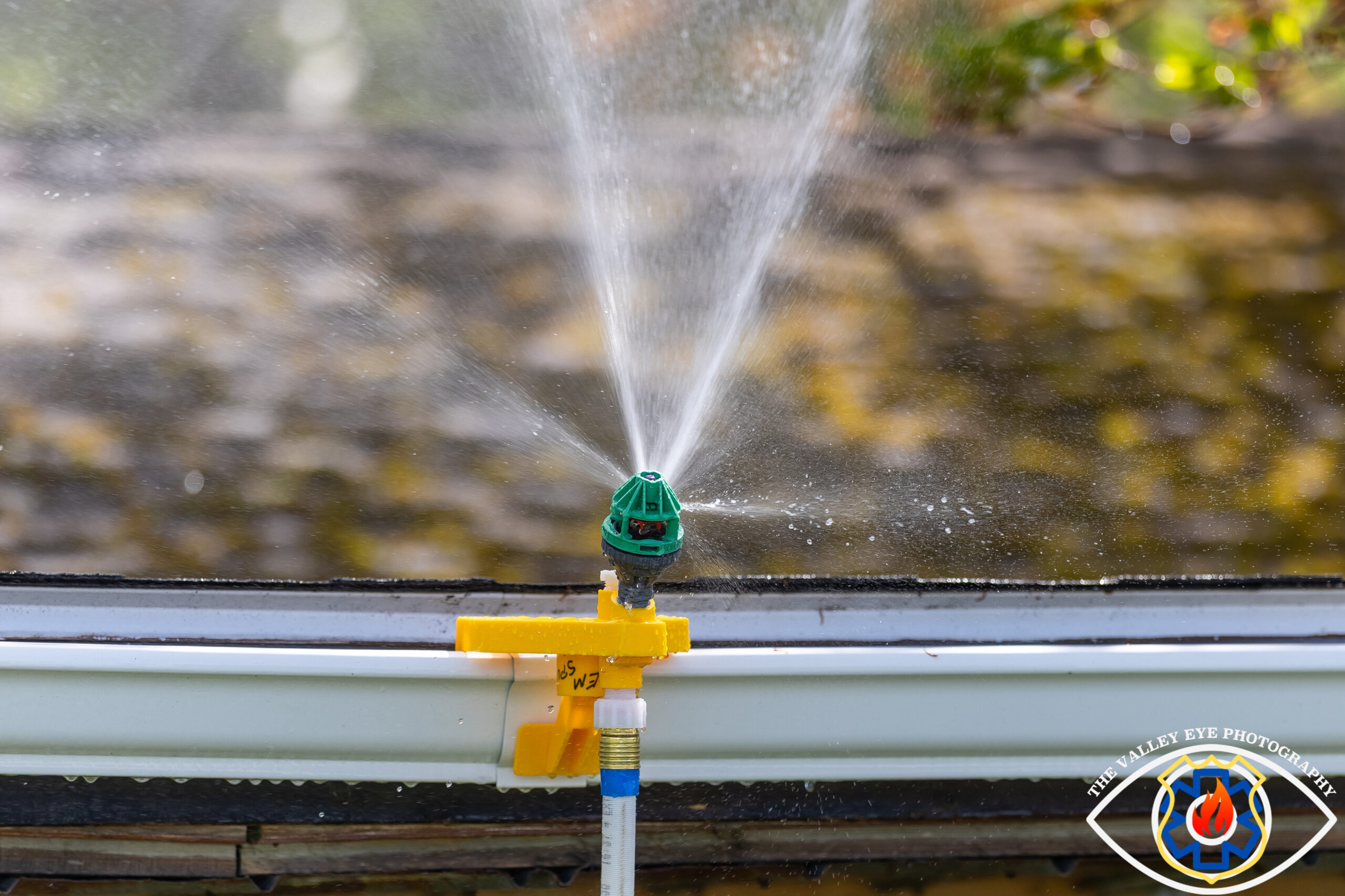
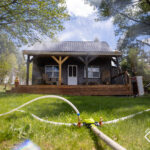
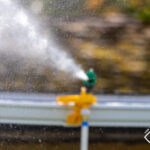
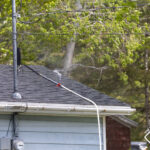
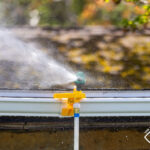
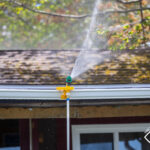
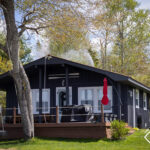
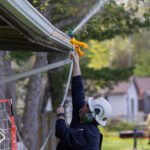
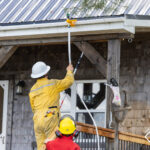
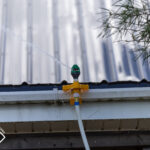
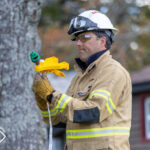
(Pictured – Sprinkler attached to a home during training in May)
Currently, the province has six SPU trailers strategically placed across Nova Scotia. Each unit is equipped to help protect 30 to 40 structures from wildfires, giving the provincial fleet the capacity to protect up to 240 structures. Combined with additional SPUs owned and operated by volunteer fire departments, these units give an added layer of protection for communities across Nova Scotia.
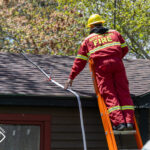
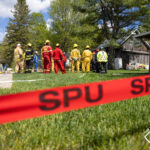
Once the units arrive on scene of a fire, crews assess the area by triaging homes at risk and determine where they can be used most effectively.
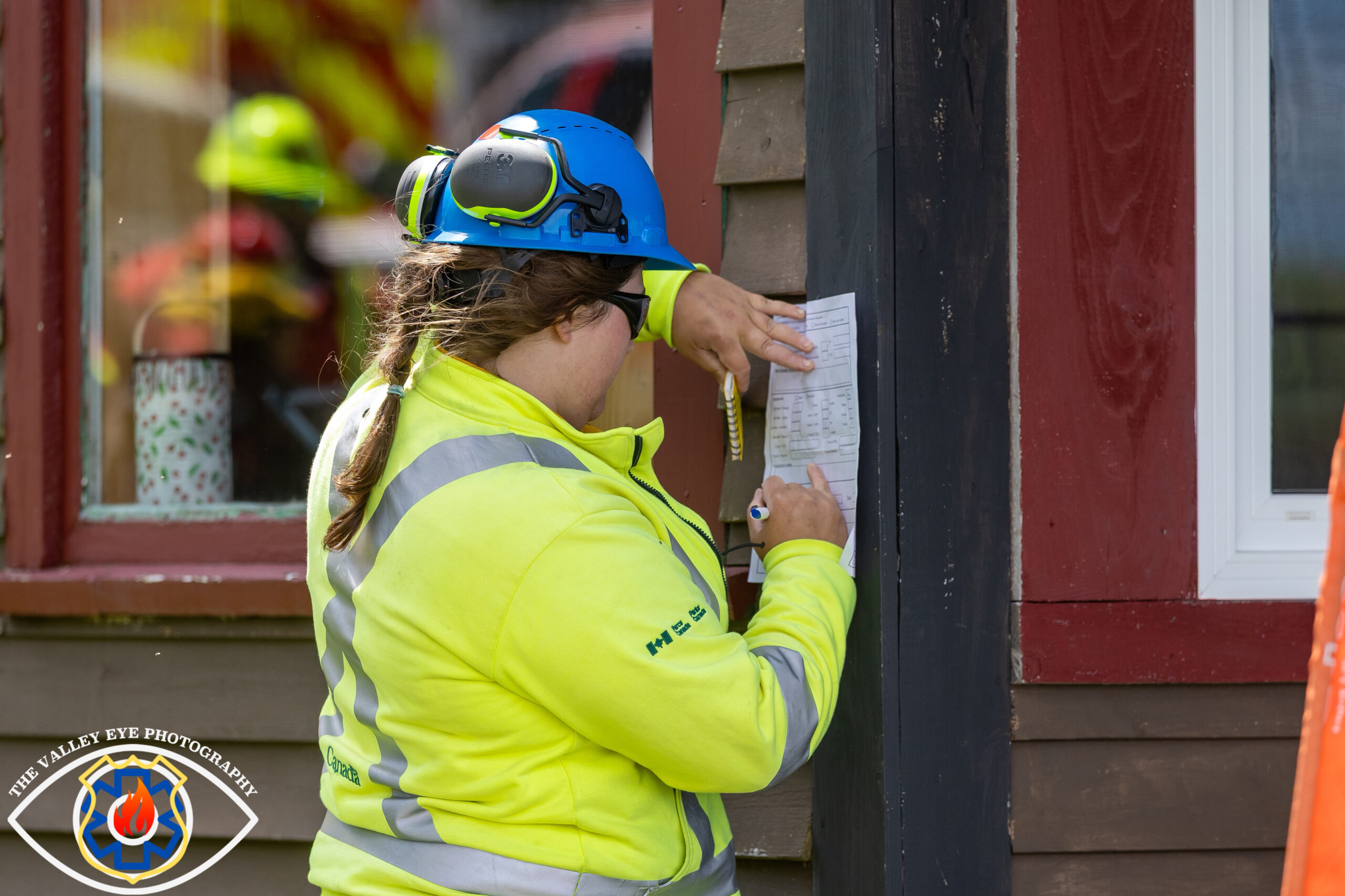
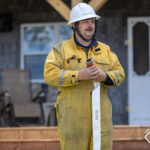
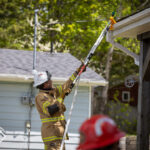
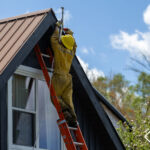
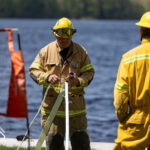
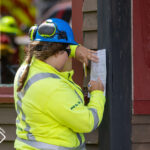
(Pictured – Firefighter doing a risk assessment on a home during training in May)
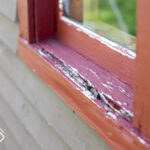
When triaging a home, they are looking for a number of things, such as combustible items like wood piles, the closest water source, vegetation around the property, open windows and vents or anything where sparks could potentially catch the home on fire.
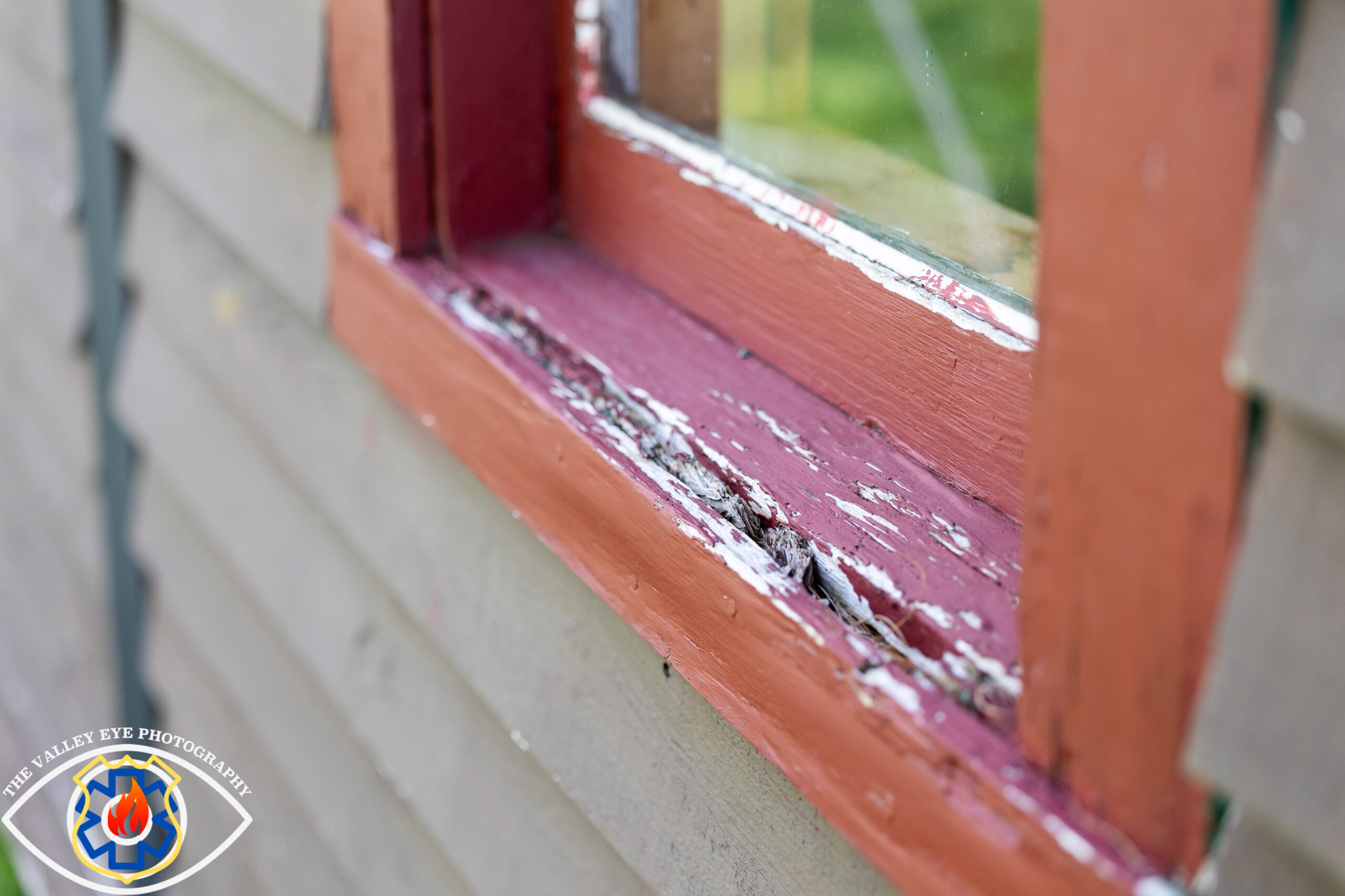
(Pictured – Window of a home that is at a higher risk of embers catching it on fire)
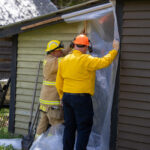
If a home can be protected, they’ll move combustible materials if possible and place protective plastic to reduce sparks from entering areas that could also ignite the home.
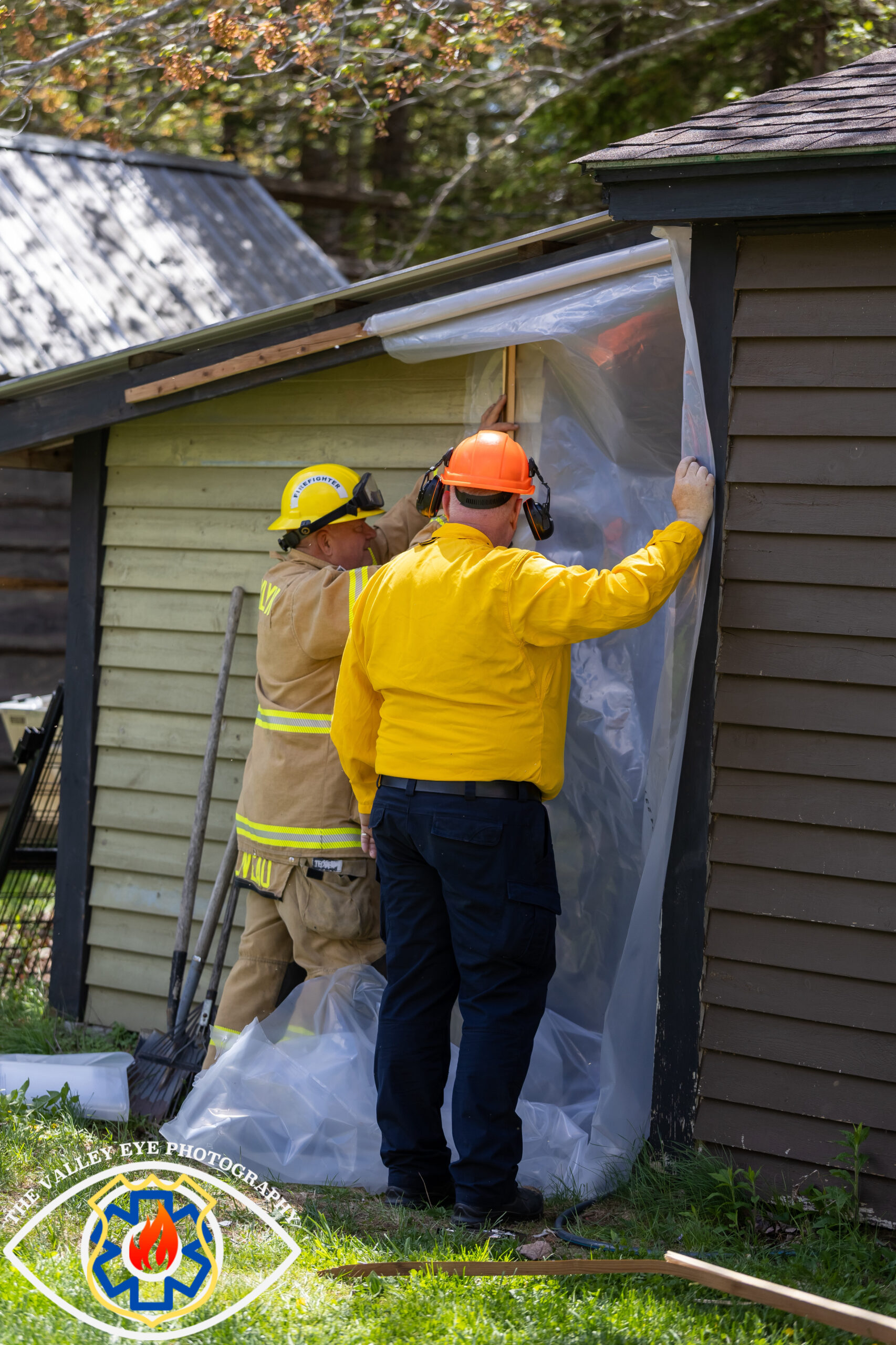
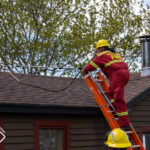
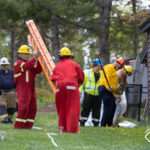
(Pictured – Firefighters applying specialized plastic to an opened area attached to a home to reduce sparks during training in May)
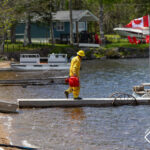
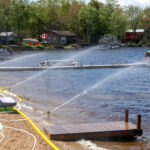
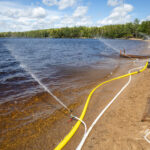
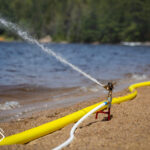
They’ll strategically set up sprinklers along a property using the wind to spray water back on vegetation, install them on homes and other areas that can protect an area at risk.
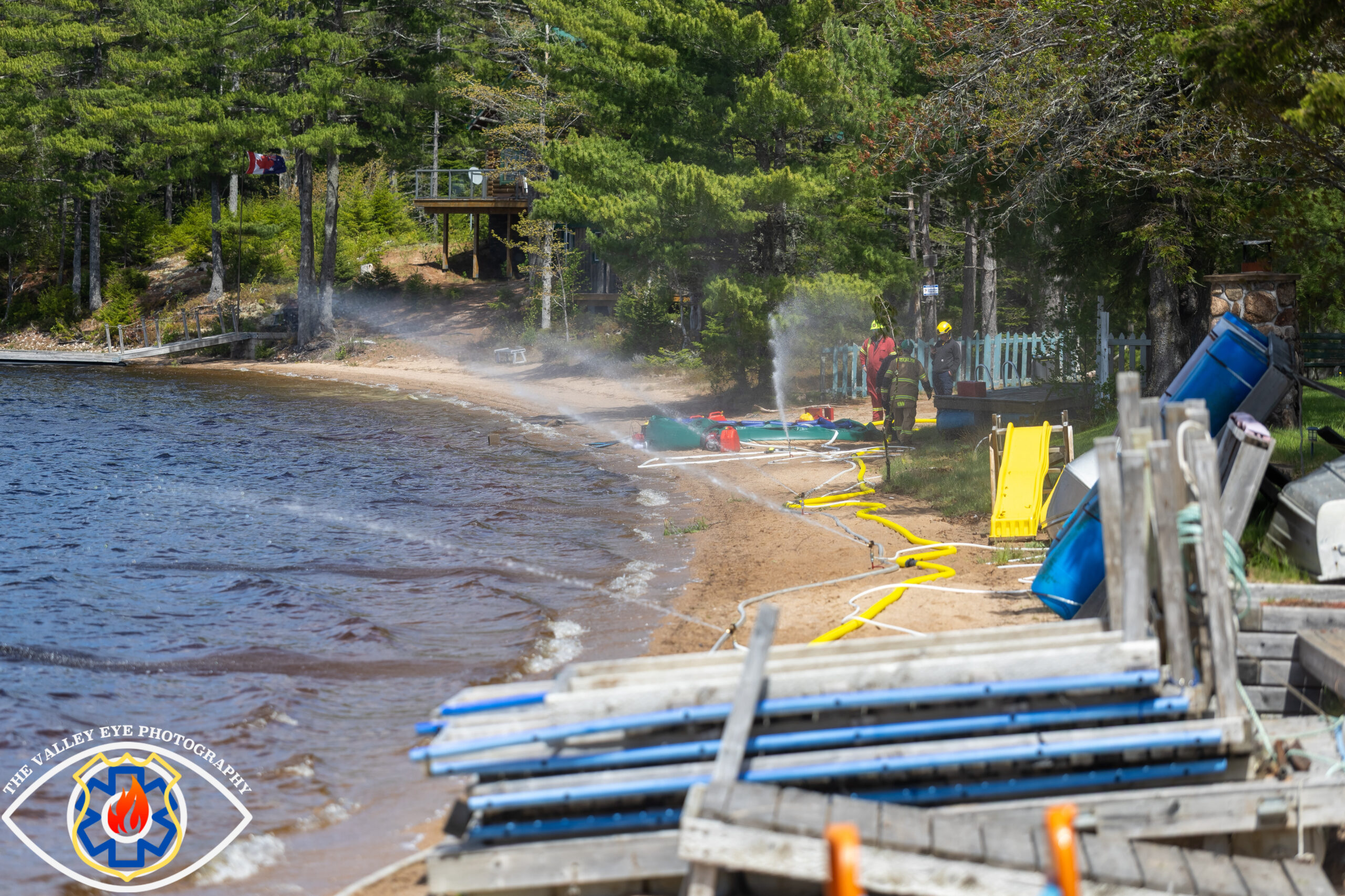
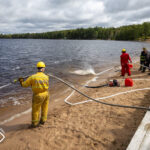
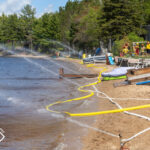
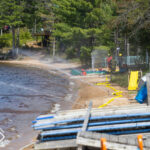
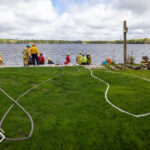
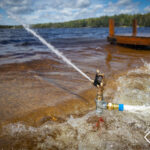
(Pictured – Sprinklers operating on a beach and the wind driving the water back onto the properties)
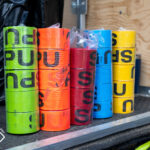
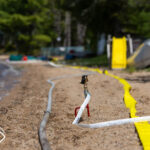
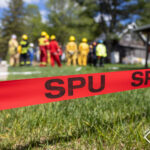
By using coloured tape, it can help indicate where the property is at during its risk assessments, if it’s been protected, needs protection or if it’s a home they feel they can’t protect.
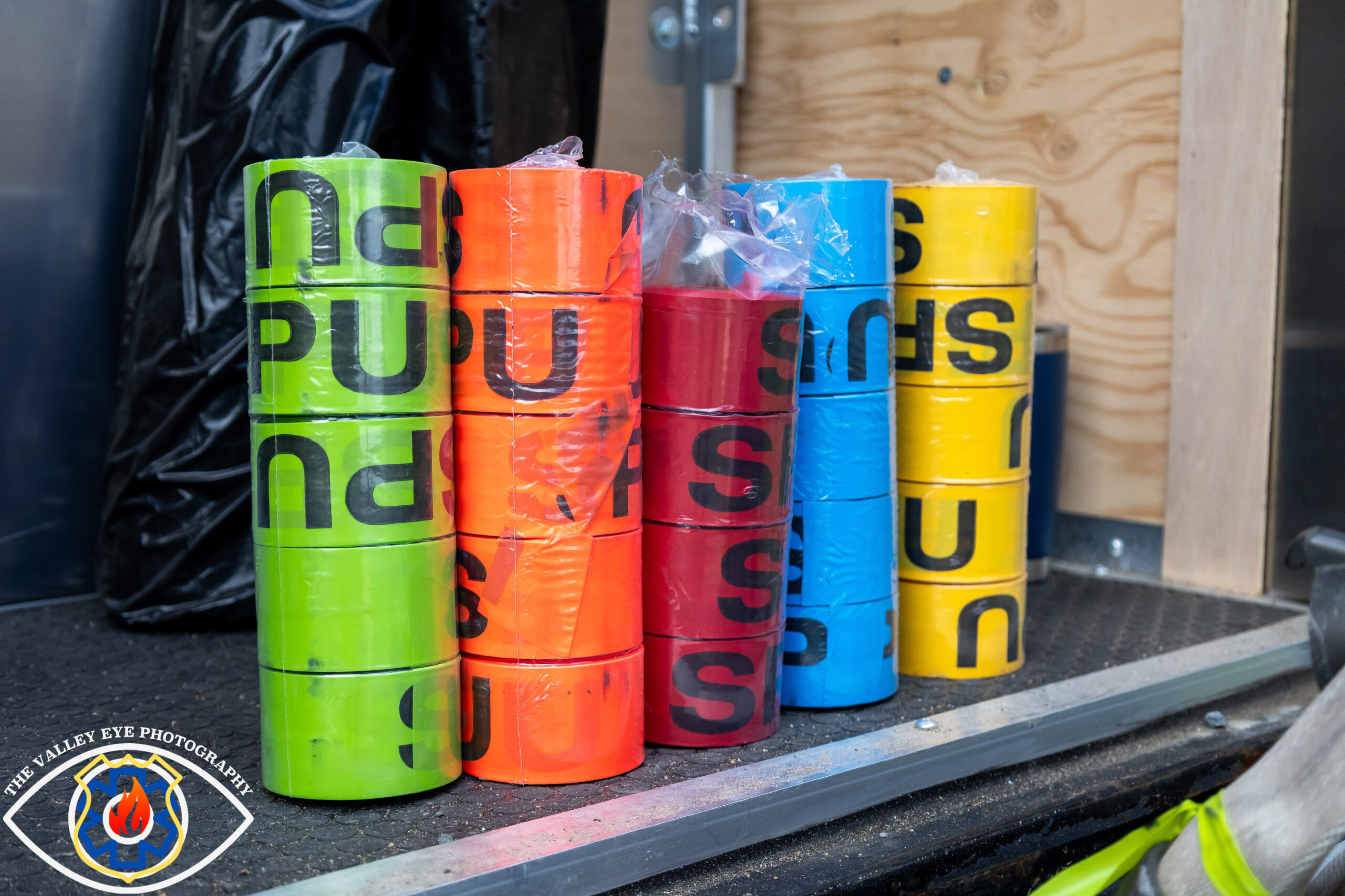
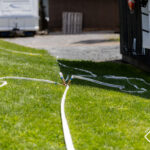
(Pictured – SPU Tape used for identification on a property)
By deploying SPUs, they create what many refer to as a “water bubble.” The sprinklers spray water, increasing the amount of moisture in the ground, deterring a wildfire from impacting the area that crews work so hard to protect.
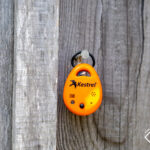
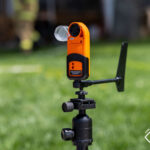
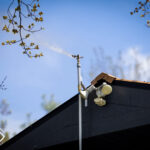
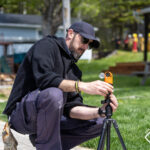
Front-line crews also use portable weather stations to monitor the area. By using different tools such as these, they can measure the relative humidity and how the use of sprinklers are changing the dryness that’s in the risked area.
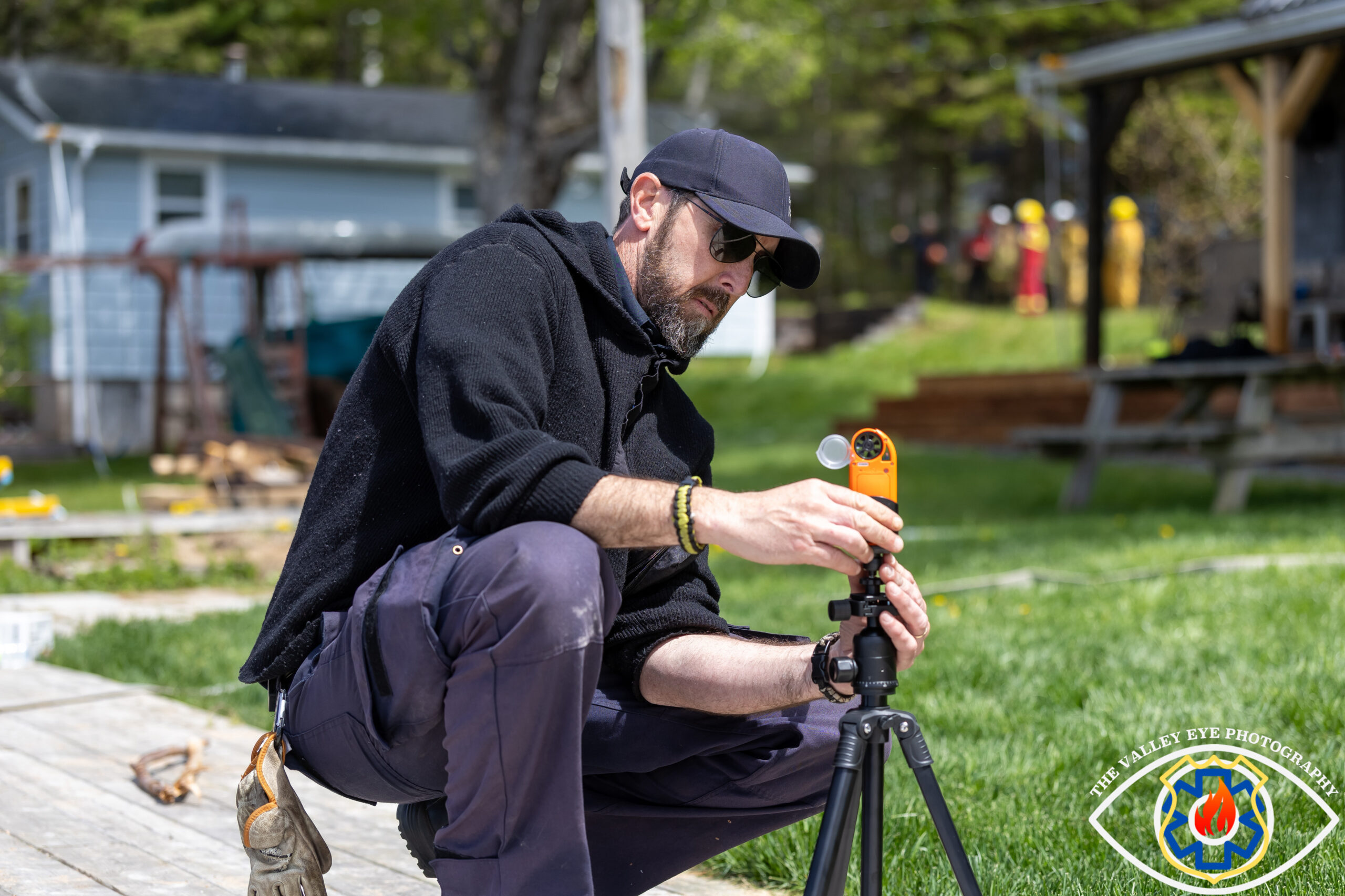
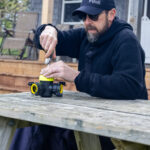
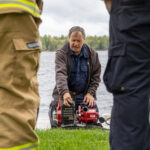
(Pictured – David Rockwood with Department of Emergency Management and a portable weather station)
SPUs are an important tool, but they are not the right solution for every wildfire. In fast-moving or high-intensity fires, conditions may not allow enough time for deployment, setup or safe operations. In some situations, firefighters and public safety may require a different tactical approach.
Following the training hosted by the province, they currently have 60 structure protection crew members who are available during the wildfire season.
But what can you do to help reduce a wildfire near your property?
By following FireSmart Canada guidelines and recommendations, this can help reduce the risks around your property and also help firefighters if they ever have to deploy an SPU on your home.
You can follow their website by clicking the link below ⬇️
Since last year, around this exact time, the response to wildfires across Nova Scotia has changed, with the province now investing in equipment to protect our communities when the unthinkable strikes.
“Homes are more than just buildings—they are where families feel safe and often represent the largest investment people make in their lives, so the more we can do to protect them, the better. While we train regularly for structure fires, one of the hardest parts of the job is witnessing someone lose not just their belongings, but their sense of security and place to call home. During the Long Lake wildfire, we faced a wide range of emotions—the fear of the unknown, the tragedy of homes lost despite our best efforts, and the reward of helping save the majority of a community, including landmarks like the West Dalhousie Community Hall.
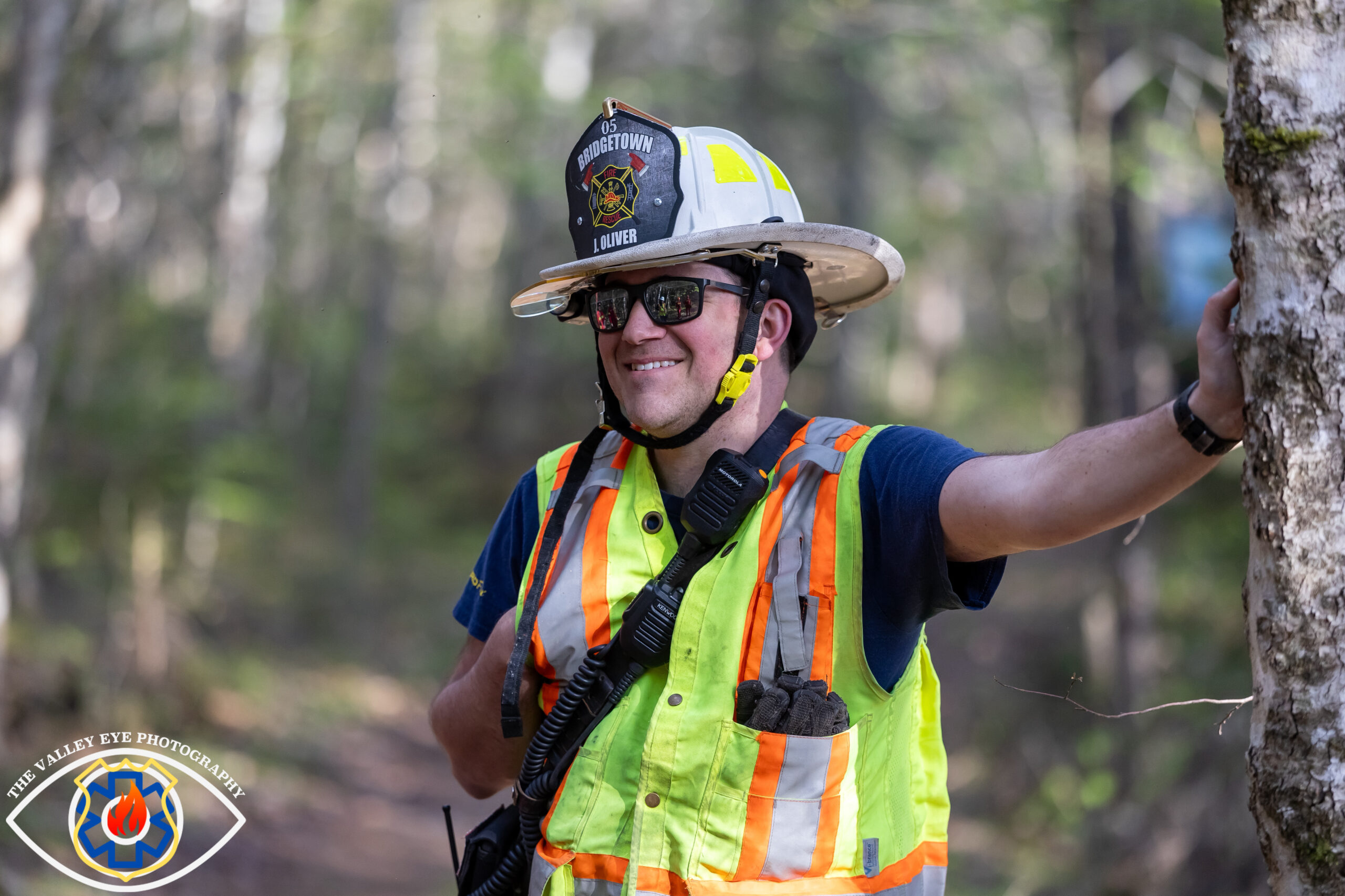
Since then, we have invested in our own SPU kit, expanded training through interface response and provincial structure protection courses, and seen provincial support grow with more accessible resources — clear evidence that the fire service is always evolving, adapting, and learning.” Shared Bridgetown Deputy Fire Chief, Justin Oliver.
Some information has also been sourced from the Province of Nova Scotia below ⬇️
https://novascotia.ca/structure-protection-units/
Adrian J
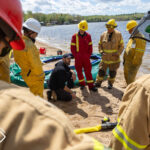
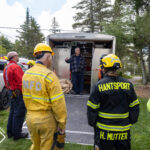
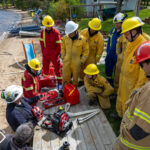
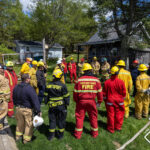
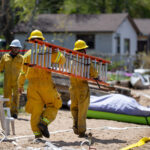
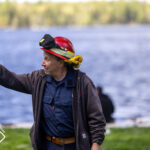
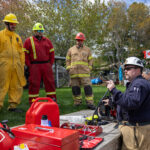
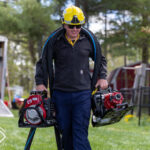
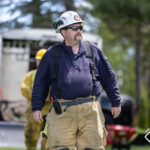
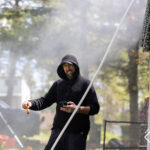
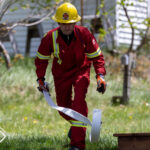
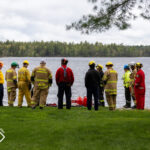
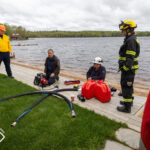
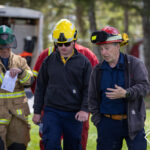
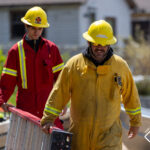
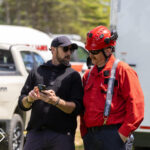
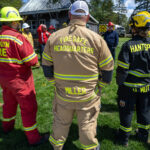
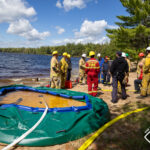
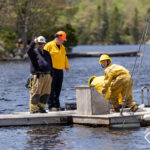
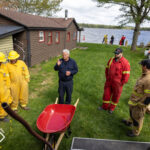
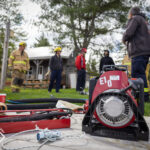
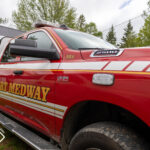
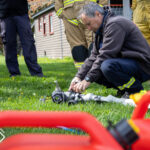
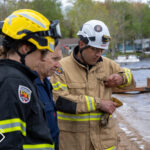
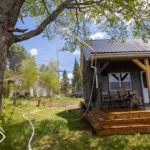
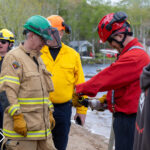
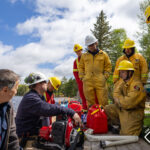
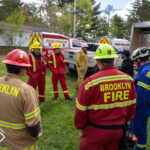
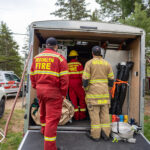
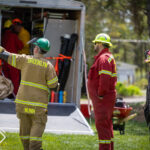
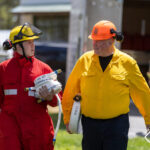
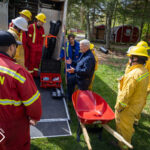
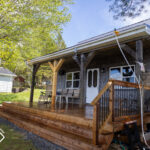
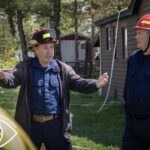
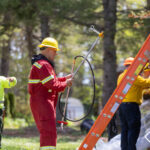
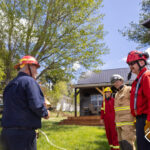
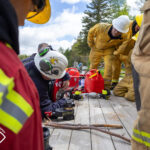
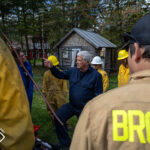
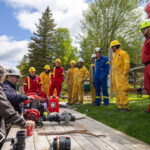
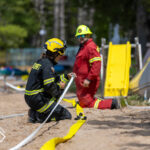
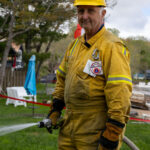
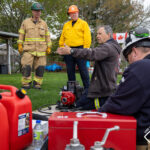
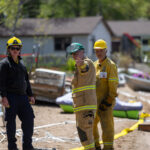
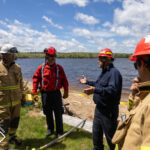
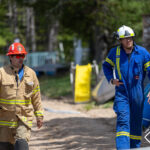
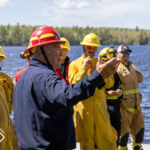
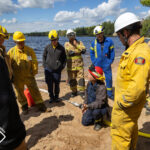
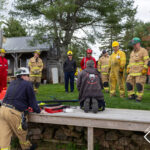
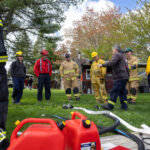
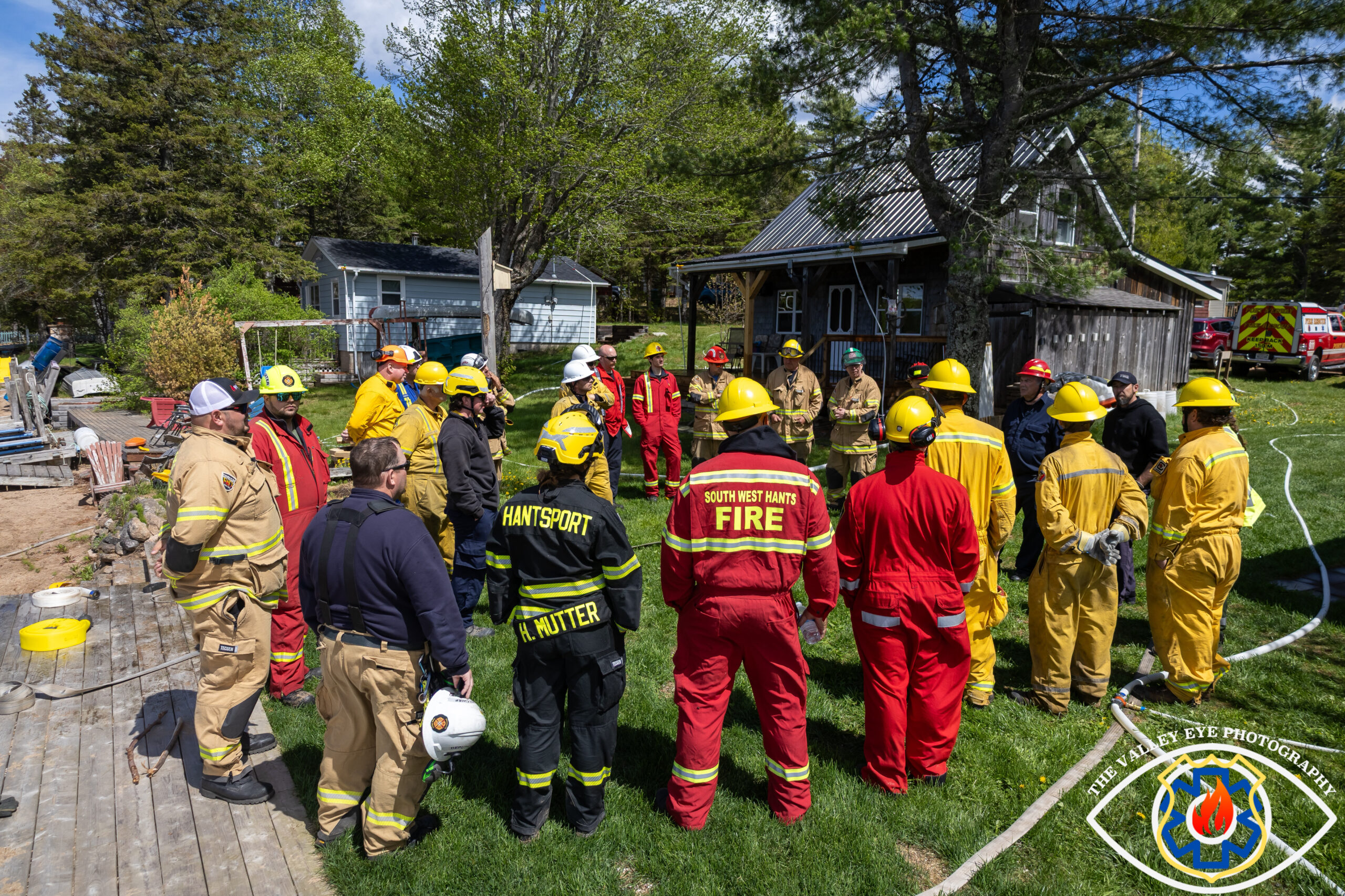
Below are photos taken over one of the weekend SPU courses with B.C. wildfire experts, hosted for volunteer firefighters and the Department of Natural Resources in May 2026.