
Over the last two years, 61% of the fires reported at the Valley Waste Resource Management location in Kentville have been a result of Lithium batteries.
In a summary of incidents published by Valley Waste, there have been 13 fires at the facility between September 2023 to September 2025, with 8 of those being a result of Lithium batteries.
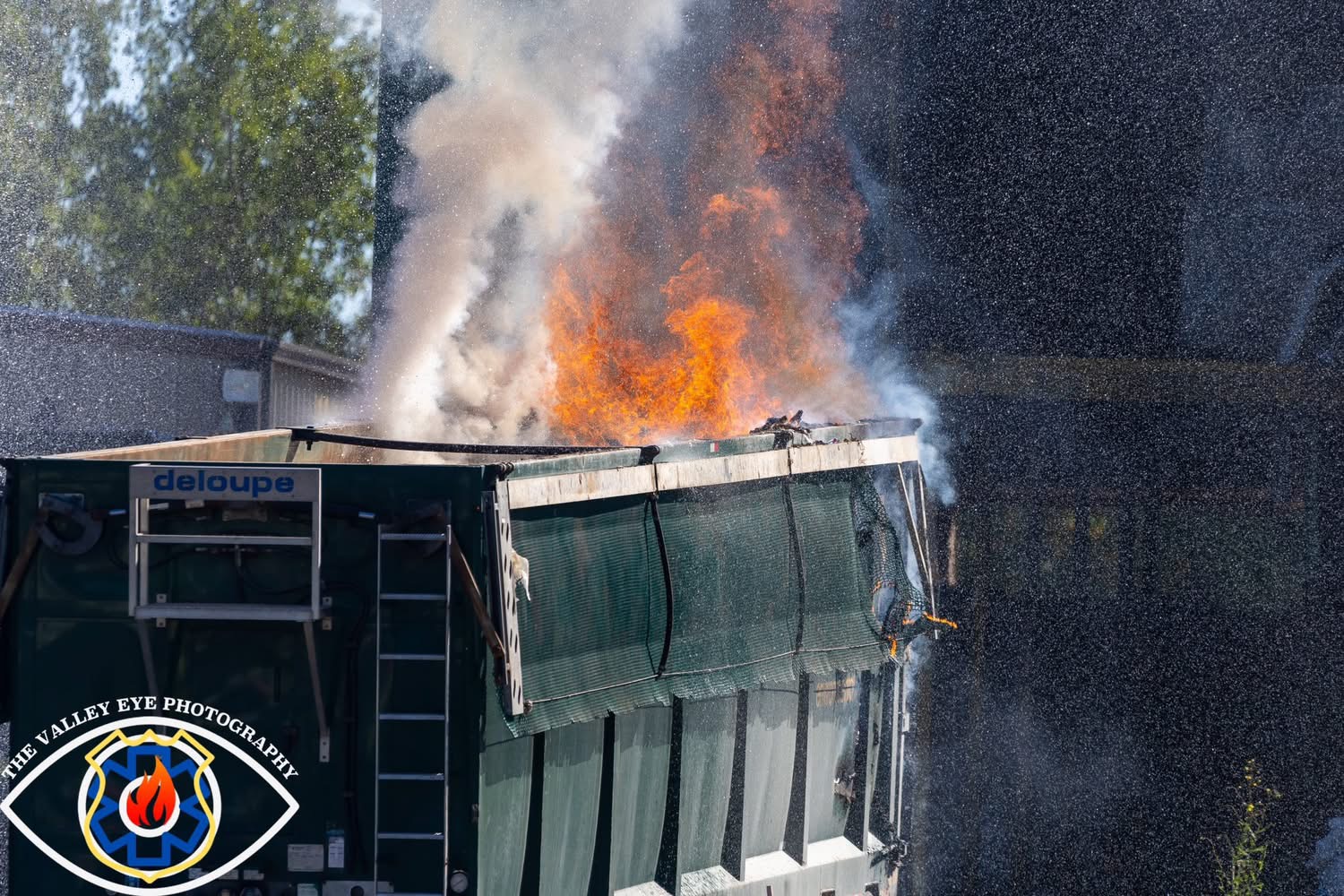
Not only is the increase in fires concerning but many of the fires related to Lithium batteries are preventable. They ultimately result in staff and firefighters being put at unnecessary risk due to improper disposal of batteries.
When they are mixed with your household garbage, the chances of them being crushed, punctured, stacked or piled at the facility or during transportation are extremely high.
These sensitive materials containing highly toxic content can catch fire when exposed to dangerous elements, resulting in the potential for catastrophic damage.
“It’s preventable. Disposing of these batteries correctly is important. You aren’t only putting the men and women fighting these fires at risk, you are also putting the men and women who are working at the facility in extremely unsafe positions.” Stated Sean Morrison, Safety Officer with the Kentville Fire Department.
The Kentville Fire Department has been called upon on a number of occasions to Valley Waste. Many of the incidents have been close calls as a result of Lithium batteries catching on fire.
On one occasion, staff members attempted to put a fire out on a trailer containing garbage. Their efforts to put out the fire were unsuccessful, but they were able to safely remove the trailer from the inside of their commercial facility before spreading to the building. The fire department arrived and extinguished the fire, which was a result of a Lithium battery.
The incident could have been much worse if it wasn’t detected early on. Due to the quick action by staff on site, the fire only impacted the trailer and the garbage contained inside.
Two additional incidents were also reported at their public drop-off location. Staff located Lithium batteries smoking or smouldering while sorting batteries and took the appropriate precautions to prevent further damage before the batteries burst into flames.
In four of the eight scenarios, Lithium batteries were found to be on fire or sparking on the tipping floor, the area at Valley Waste, where waste is unloaded to be sorted. In all cases, these batteries were extinguished or safely disposed of. An additional disposal unit was added after the increase in reported fires on the tipping floor.
When Lithium batteries are damaged or go bad, they go into what’s called “thermal runaway.” This is a key indication that the battery is going through a dangerous internal failure. This process results in highly toxic gases being released and, in the worst case scenario, the battery exploding and catching fire. When batteries smoulder, this is an early warning that requires immediate intervention to prevent the potential of a serious fire or injury.
“When batteries go into a thermal runaway and create the heat and the fire in the right conditions. It creates a situation where you need more water and resources than you normally need.” Morrison stated.
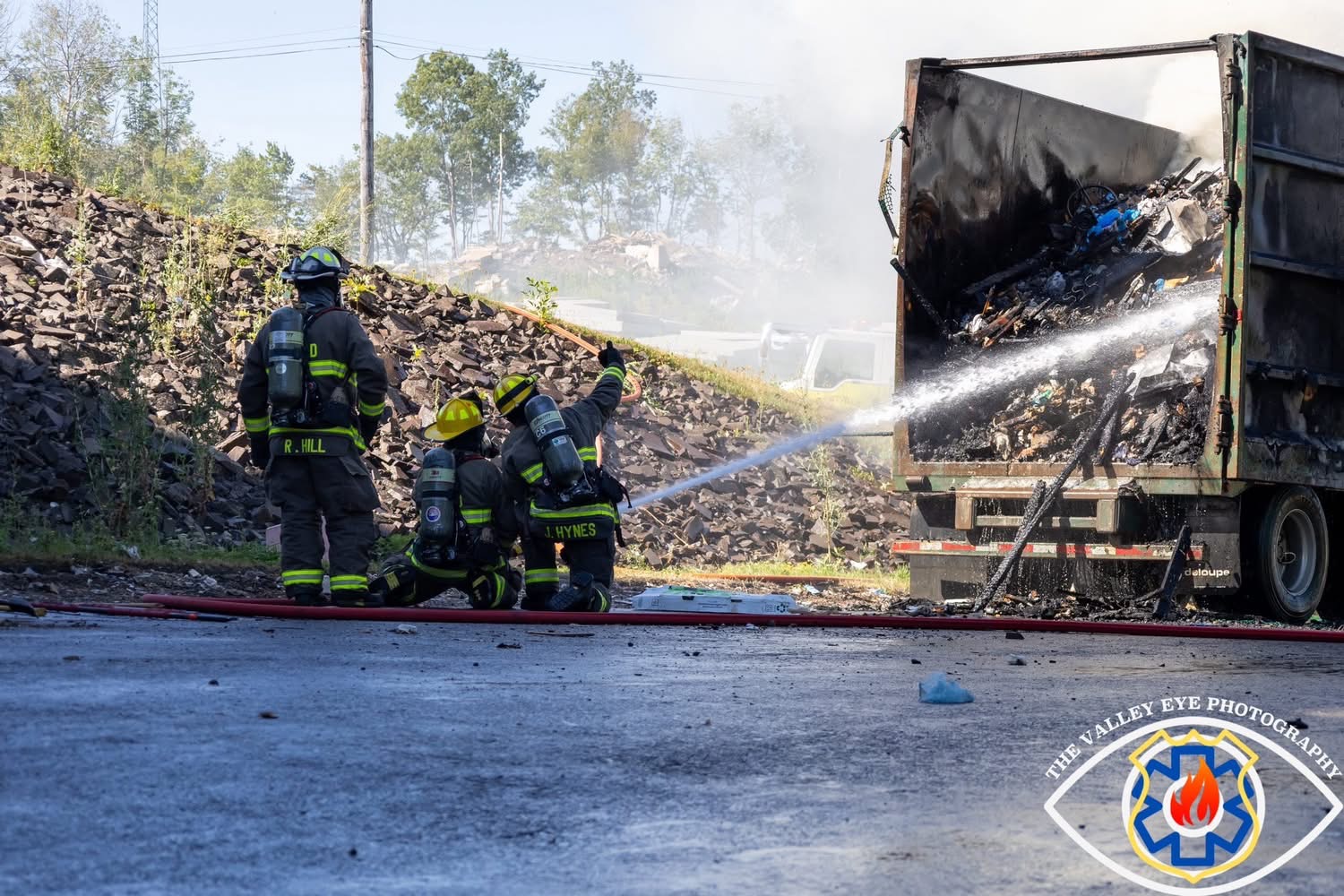
These situations can create added risks for firefighters with more intense fire conditions and bringing in additional resources.
Each year the National Fire Protection Association has a specific fire prevention theme during the first week of October.
This year their theme was “Charge into fire safety.” Stressing on the importance of Lithium-Ion batteries in your home.
While fire prevention may be highlighted the most during the month of October, it’s important to practice precautions focused on battery safety each and every day.
Morrison, who has served with the Kentville Fire Department for 24 years, stressed the importance of charging e-bikes safely after a fire they previously went too. The fire was a result of an e-bike charging, containing Lithium-Ion batteries.
When you’re charging e-bikes, they should be charging in a flat, dry area away from children, direct sunlight, liquids, tripping hazards, and in a location where the e-bike is not at risk of falling. They should never be left charging unattended.
The simple difference between a Lithium and Lithium-Ion battery is that, Lithium batteries are single-use and non-rechargeable batteries while Lithium-Ion batteries are rechargeable.
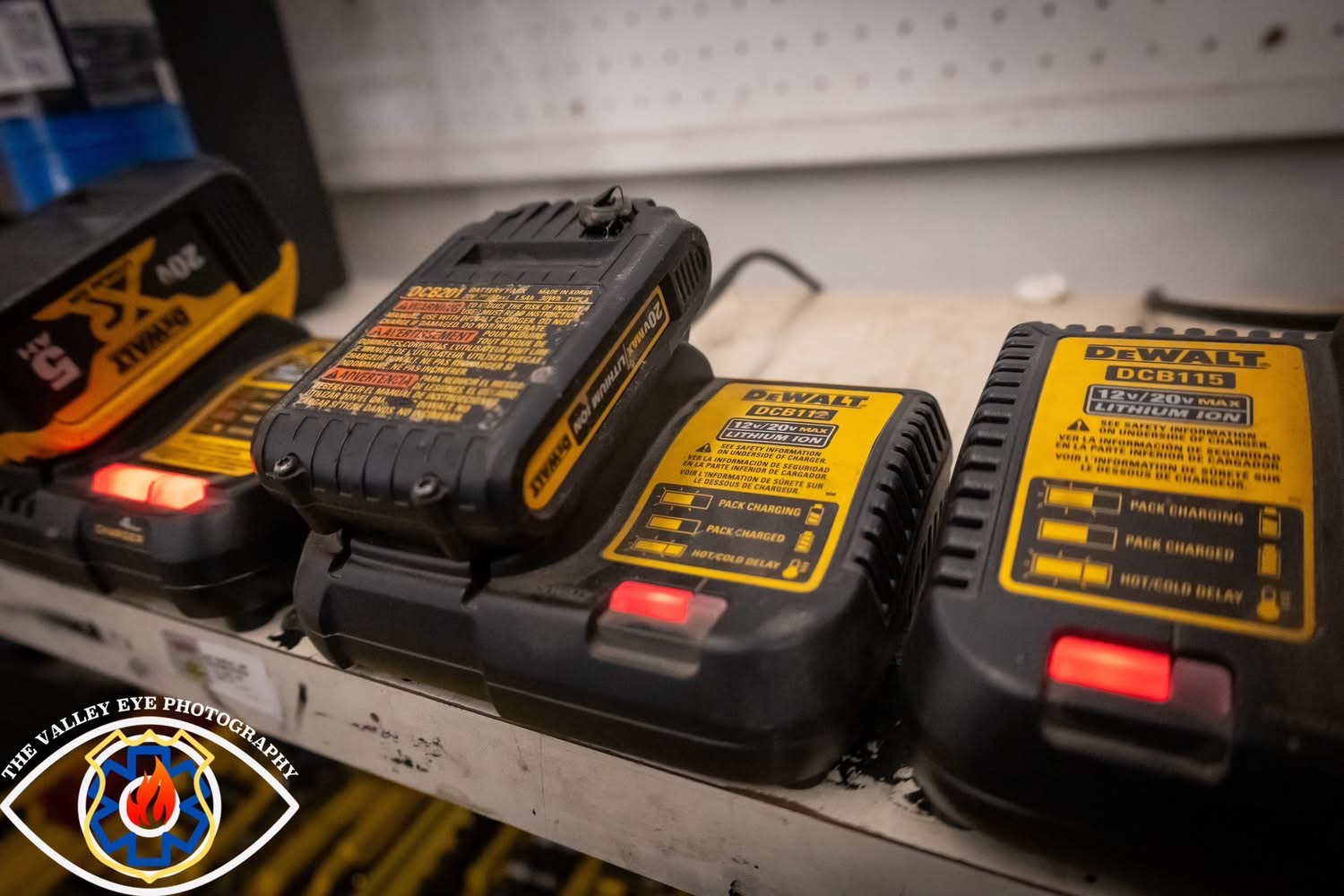
Most of our everyday devices contain Lithium-Ion batteries, from power tools, cellphones, laptops, smoke alarms, children’s toys, e-bikes, e-cigarettes and even cars.
Lithium-Ion batteries, The Problem:
• These batteries store a large amount of energy in a small amount of space.
• Sometimes batteries are not used the right way; batteries not designed for a specific use can be dangerous.
• Like any product, a few of these batteries are defective. They can overheat, catch fire, or explode.
Safety Tips:
• Purchase and use devices that are listed by a nationally recognized testing laboratory.
• Always follow the manufacturer’s instructions.
Only use the battery that is designed for the device.
• Only use the charging cord that came with the device.
• Do not charge a device under your pillow, on your bed, or on a couch.
• Do not keep charging the device or device’s battery after it is fully charged.
• Keep batteries at room temperature when possible. Do not charge them at temperatures below 32°F (0°C) or above 105°F (40°C).
• Store batteries away from anything that can catch fire.
To safely dispose of batteries, never throw them in the trash or regular recycling bins, as they can cause fires; instead, cover battery terminals with non-conductive tape (like electrical tape) before transport.
Take them to a designated battery recycling or hazardous waste drop-off location. You can visit https://recycleyourbatteries.ca to locate a drop off location near you.
Prevention and safety measures start at home. Help ensure your home is safe, and your batteries are disposed of properly!
Information from Valley Waste Resource Management & National Fire Protection Association.
Adrian J.