
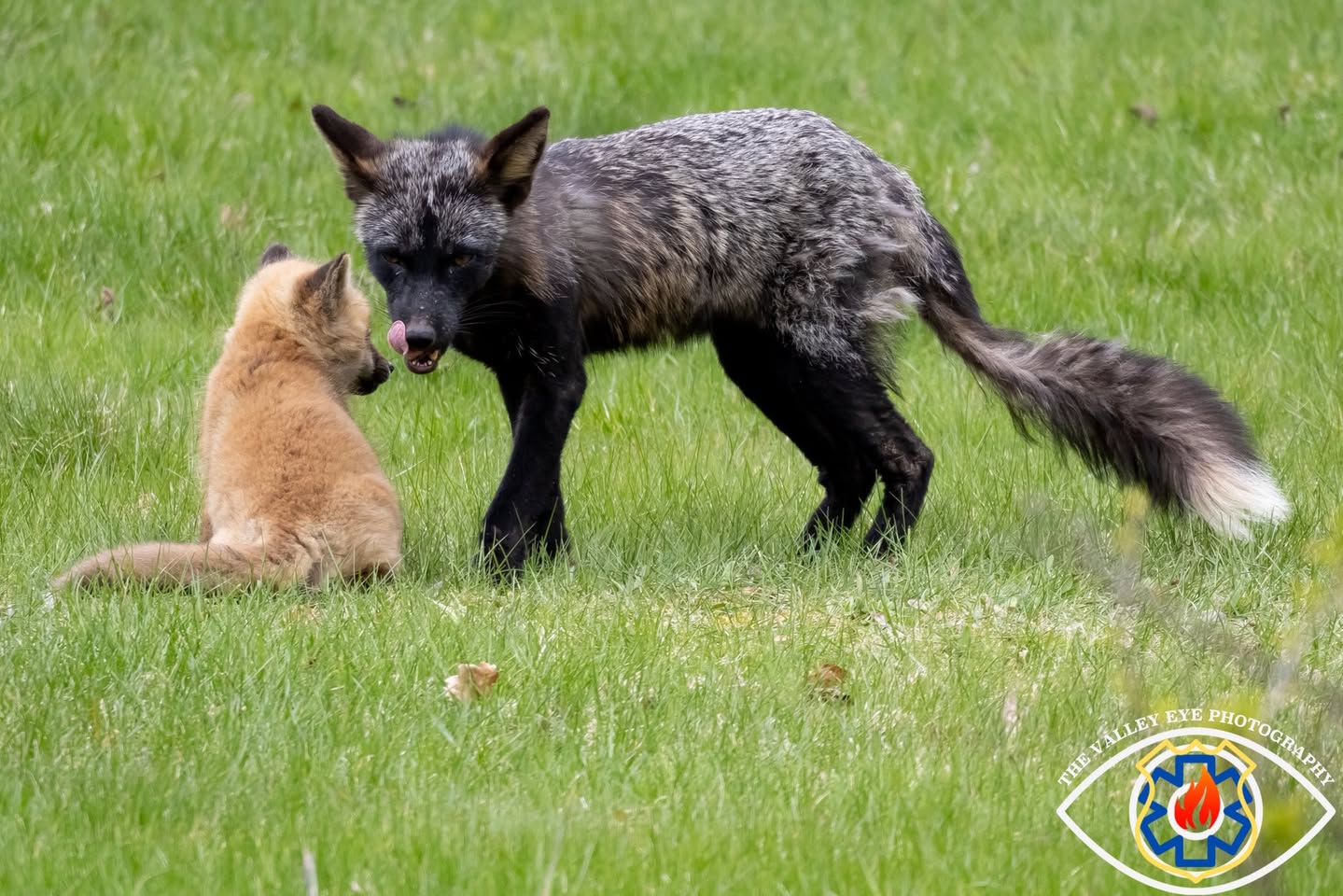
Many foxes along with their kits are strong and healthy this spring but there are some who aren’t that lucky.
Wildlife is a unique thing to witness, from some of life’s precious moments, to diseases and other natural things that can eventually be fatal.
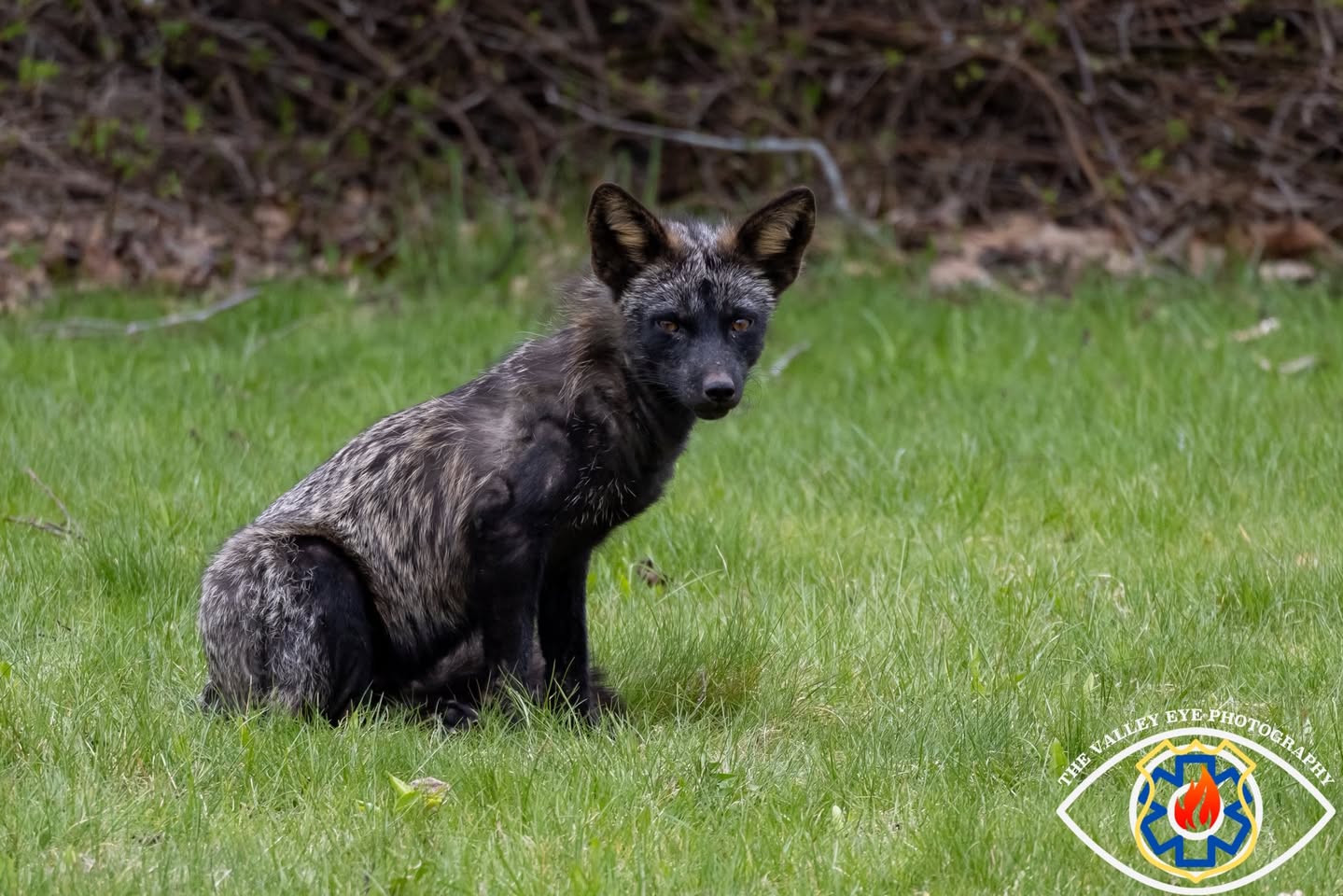
For foxes, especially this year, mange is the biggest threat and the most common form of disease. It’s considered to be highly contagious, spreading rapidly amongst foxes, pets and in rare cases humans.
Mange is severe skin disease caused by microscopic mites, that are often contracted from other animals or other contaminated environments like dens. They burrow in the skin of foxes causing extreme itching and hair loss.
For foxes, it typically impacts their tails first, spreading rapidly across the body resulting in hair loss, itchy skin and often leading to a crusty looking face appearance.
Mange is treatable if caught in time, if a fox is too weak or emaciated it is likely the fox will die from the disease.
What can you do if you know a fox has mange?
You can contact professionals who can provide, or advise on, the proper medication dosage. Contacting a wildlife group like Hope For Wildlife or another rescue group is the best course of action.
This fox & kits below are suffering from mange. I personally am not fully familiar with the situation but locals have shared that Hope For Wildlife has been contacted to help provide support for the family.
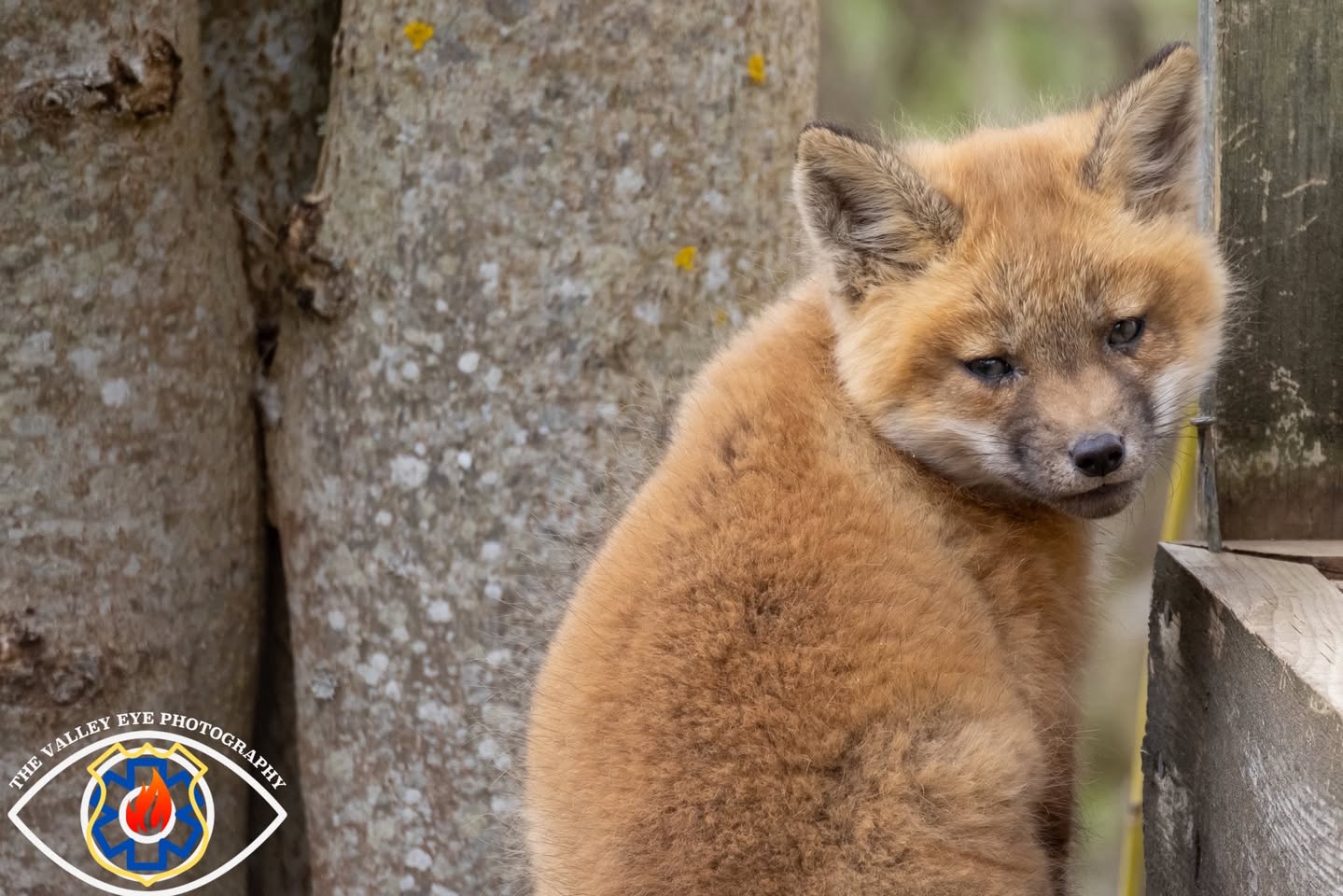
These photos were taken at a undisclosed location in Kings County. Foxes are protected under the Wildlife Act in Nova Scotia.
Adrian J.